Aching Hips and Lower Back? Here’s How Chesterton Physical Therapy Helps You Find Real Relief in Northwest Indiana

Aching Hips and Lower Back pain treatment Chesterton

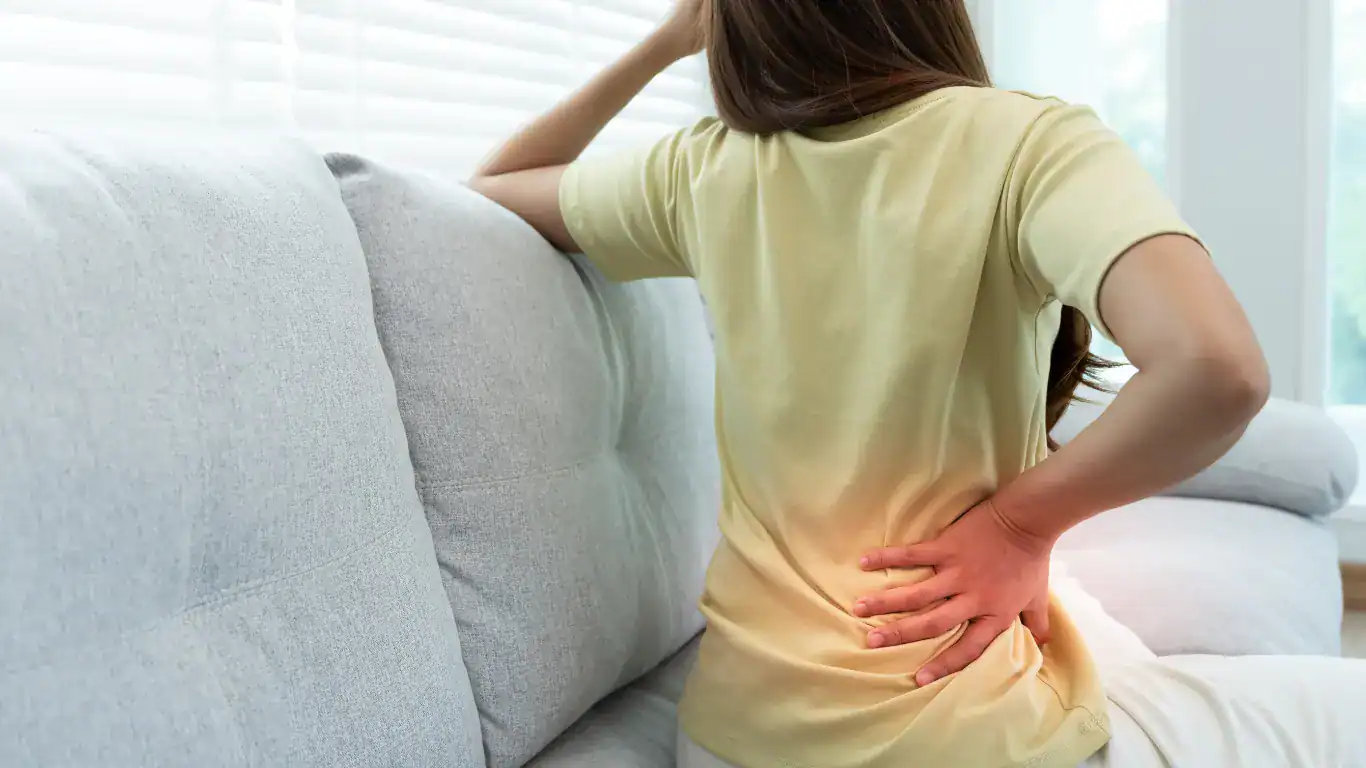
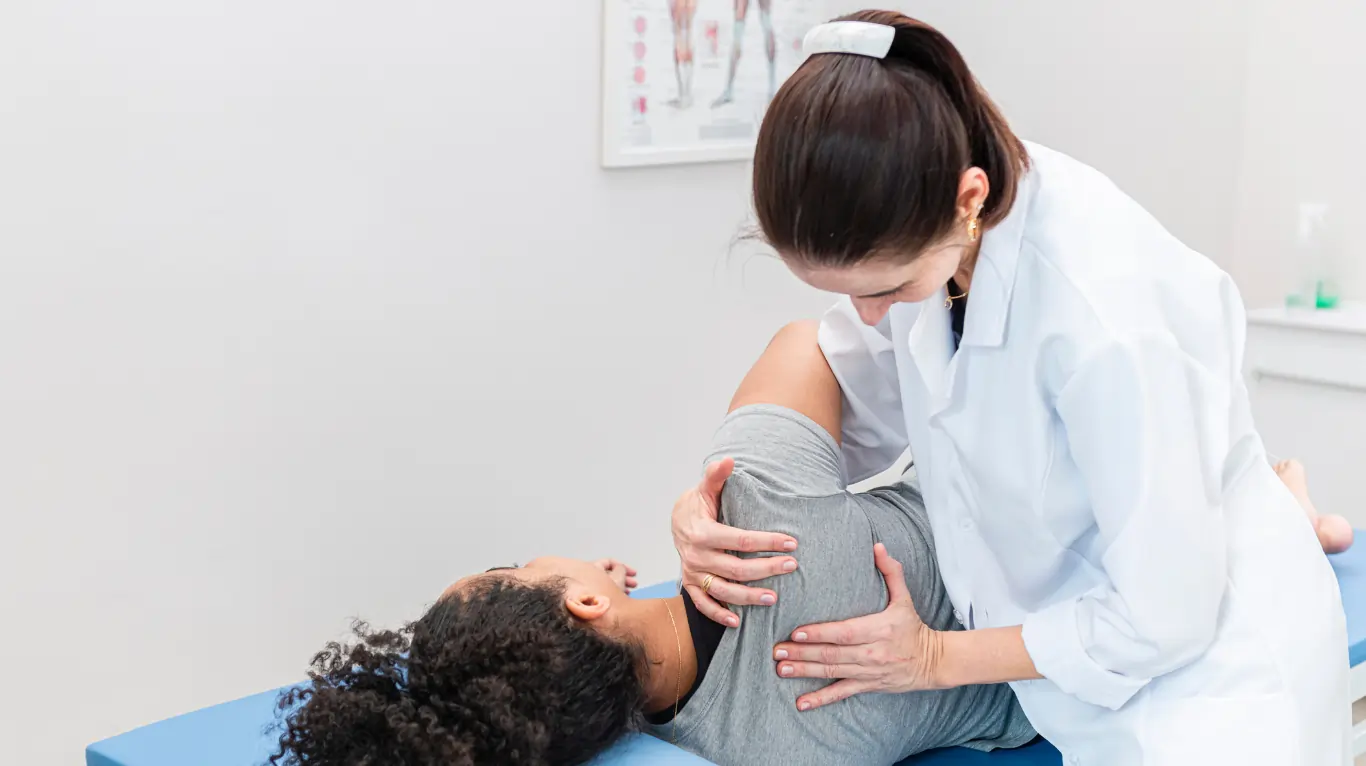
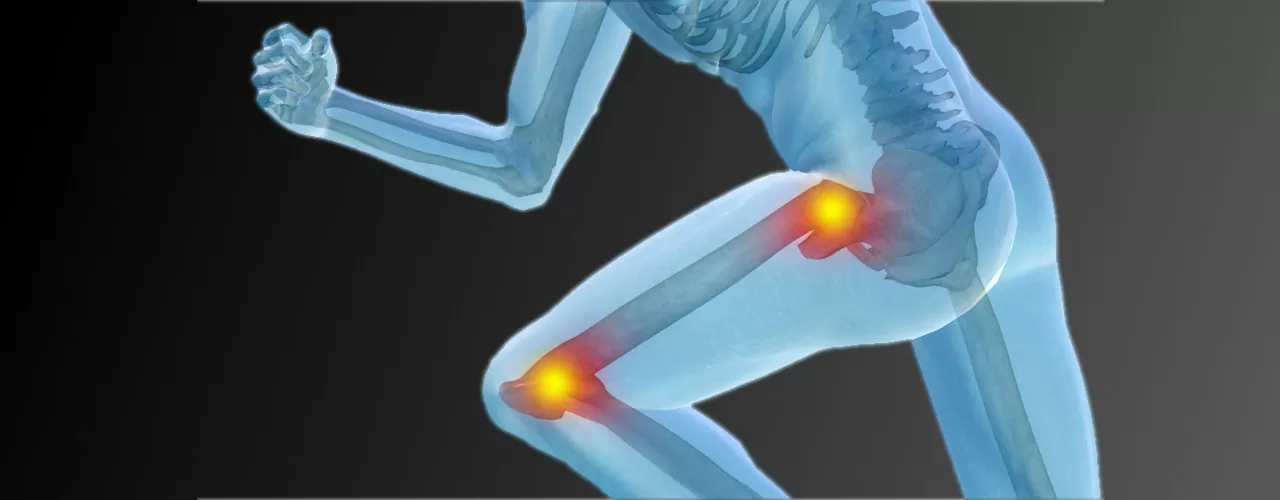
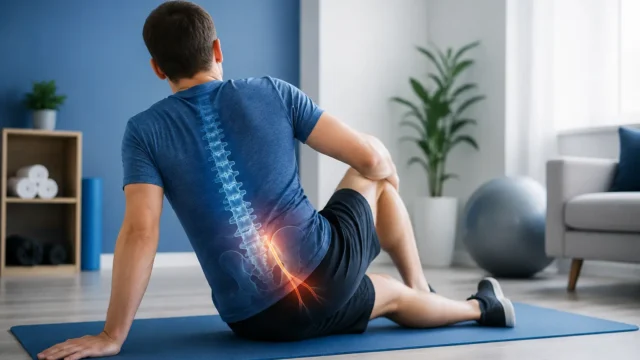
Aching Hips and Lower Back? Here’s How Chesterton Physical Therapy Helps You Find Real Relief in Northwest Indiana If you’re dealing with aching hips and lower back pain, you’re not alone. This type of discomfort is one of the most common reasons people in Northwest Indiana seek physical therapy. Whether you feel a dull ache after sitting too long, sharp pain when you walk, or stiffness when you wake up, hip and lower back pain can interfere with nearly every part of your day. At Chesterton Physical Therapy, we specialize in helping people understand the root cause of their discomfort and return to pain-free movement. In this blog, we’ll break down why hip and back pain occur, how it affects daily life, and, most importantly, how our team can help you recover safely and effectively. Request Appointment Understanding the Link Between Your Hips and Lower Back Your lower back and hips work as a connected system. When one part is stressed, misaligned, or weak, the other area often compensates—bringing on pain and stiffness. Many people who experience lower left back hip pain or left side hip and back pain don’t realize that the issue may come from a combination of muscle tightness, joint imbalance, or nerve irritation. Often, discomfort around the back hip bone is actually referred pain from the lumbar spine or inflammation around the pelvic region. The key is to understand what’s causing the discomfort—and that’s where a skilled physical therapist can make all the difference. Common Causes of Lower Back and Hip Pain Your pain might be triggered by something major like an injury—or something as simple as poor posture. Here are the most common causes we see every day in our clinics: 1. Muscle Imbalances Weak glutes, tight hip flexors, and unstable core muscles can pull your pelvis out of alignment. When this happens, the lower back works harder than it should, eventually causing pain. 2. Prolonged Sitting If you sit for long hours—whether you’re working, commuting, or relaxing—your hip flexors become tight, and your lower back muscles weaken. This creates the perfect environment for aching hips and lower back. 3. Sciatica and Nerve Compression When the sciatic nerve becomes irritated, it can cause sharp or radiating pain down one side. This is a common cause of lower left back hip pain or pain that runs from the lower back through the hip and down the leg. 5. Poor Posture and Pelvic Alignment Slouching, uneven weight distribution, one-sided habits (like always carrying a bag on one shoulder), or standing with your weight shifted to one hip can all cause left side hip and back pain. 6. Female-Specific Causes Hormonal changes, pregnancy, postpartum recovery, or pelvic instability can contribute to pain patterns that are unique to women. Many women specifically search for lower back and hip pain relief, which involves specialized care. 7. Sudden Overuse or Injury A wrong movement, lifting something heavy, or pushing too hard during a workout can strain the muscles around the lower back and hips. Understanding the cause is the first step toward effective, long-term relief. When Should You Seek Professional Help? Hip and lower back pain may start as a minor annoyance, but ignoring it can make things worse. You should seek care if you experience: Pain lasting more than 1–2 weeks Persistent stiffness while walking or standing Shooting or radiating pain Lower back discomfort that spreads into the hip Pain when bending, twisting, or lifting Difficulty sitting or getting out of a chair Tightness around the back hip bone that won’t go away Constant aching in the hips and lower back that interferes with sleep or daily tasks If any of this sounds familiar, a physical therapy evaluation can bring clarity, direction, and relief. Request Appointment How to Ease Lower Back and Hip Pain at Home Before your first visit—or while you wait for healing—you can try a few simple ways to manage discomfort. 1. Heat and Ice Therapy Ice reduces inflammation in the first 48 hours. Heat relaxes tight, overworked muscles. Alternate them if you’re unsure which helps more. 2. Gentle Stretching Slow, controlled stretches targeting the hips, hamstrings, and lower back can help reduce pressure and improve mobility. 3. Strengthening Your Core and Glutes Weakness in these areas is a major cause of lower back and hip pain. Targeted exercises like bridges, clamshells, and gentle core activation can help. 4. Posture Awareness Avoid slouching, crossing your legs, or sitting in one position too long. 5. Avoid Heavy Lifting If you must lift something, keep it close to your body and bend at the knees. While these steps can temporarily help, they don’t replace professional treatment—especially if your pain is chronic or worsening. Why Chesterton Physical Therapy Is the Go-To Solution in Northwest Indiana With locations in Chesterton, Michigan City, Portage, and Valparaiso, we provide convenient access to expert care throughout the region. Our physical therapy team uses a blend of scientific assessment, hands-on treatment, and customized exercises to help you recover safely and effectively. Here’s how we support your healing: This combination ensures not just recovery—but lasting strength and confidence. 1. Detailed Movement and Postural Assessment We identify exactly what’s causing your pain by analyzing: Hip mobility Spine alignment Gait and walking patterns Muscle tightness and weakness Pelvic stability This allows us to create a plan tailored to your body—not a one-size-fits-all routine. 2. Hands-On Manual Therapy Our therapists use techniques that provide immediate relief and long-term change, including: Soft tissue release Trigger point therapy Joint mobilization Muscle energy techniques Myofascial release This can reduce stiffness, improve circulation, and restore mobility around the lower back and hips. 3. Pelvic & Hip Alignment Correction Misalignment is a major cause of left side hip and back pain, and correcting it can significantly improve function and reduce pain. We use safe, gentle corrective techniques to restore balance. 4. Strengthening & Stability Training We design customized programs to strengthen: Glutes Core Hip stabilizers Lower back muscles Building strength ensures your pain

Why Chesterton Physical Therapy Is the Top Choice for Pain Relief in Indiana

Massage Chesterton Indiana

Why Chesterton Physical Therapy Is the Top Choice for Pain Relief in Indiana When pain becomes a daily struggle, it can feel like life is slowing down. Whether it’s back pain that makes sitting uncomfortable, a sports injury that prevents you from training, or ongoing joint pain that affects work and family life, finding the right solution matters—and for many, options like Massage Chesterton Indiana can be an effective part of relief. At Chesterton Physical Therapy, we understand how pain impacts your physical well-being, mood, energy, and everyday routine.  That’s why we are committed to helping individuals across Chesterton, Michigan City, Portage, and surrounding Indiana communities experience real, long-term pain relief—not just temporary fixes. Recognized widely as the best physical therapy in Chesterton, IN, we combine personalized treatment plans, advanced therapy techniques, and genuine patient-focused care to support your recovery journey.  Our approach is simple- listen, treat the cause—not just the symptoms—and help you return to the activities you love most. Request Appointment What Makes Chesterton Physical Therapy Different? Physical therapy is not just about exercises or machines—it’s about understanding the root cause of your pain and treating the body as a whole. Many people come to us after trying medication, rest, or even other clinics, but still do not find lasting relief. At Chesterton Physical Therapy, our difference lies in three core principles: 1. Personalized One-on-One Care Every patient receives individual attention, not a generalized routine. No two pain conditions are the same, so your treatment shouldn’t be either. 2. Treating the Cause, Not Just Symptoms Instead of masking pain with short-term solutions, we identify the actual cause of your pain—whether it’s muscle imbalance, joint misalignment, posture issues, or an injury. 3. Long-Term Pain Relief and Strength Our goal is for you to heal more effectively, move more strongly, and remain pain-free, even after your therapy ends. We believe care should be professional, compassionate, and effective—and that’s exactly what we deliver every day. Common Conditions We Help Treat Our skilled and experienced physical therapists help patients with a wide range of pain and mobility conditions, including: Back Pain & Sciatica Neck and Shoulder Pain Knee Pain and Joint Pain Hip Pain and Mobility Limitations Sports Injuries and Athletic Recovery Post-Surgery Rehabilitation Arthritis and Chronic Pain Conditions Work-Related or Accident Injuries Balance and Dizziness Issues Arm, Wrist, or Hand Pain Many of these conditions can be treated without medication, injections, or surgery when addressed early and properly through physical therapy. Request Appointment Why We’re Known as the Best Physical Therapy in Chesterton, IN Choosing a physical therapy clinic is a big decision. You need a place where you feel supported, understood, and guided. Here’s why so many patients trust us: Highly Trained Physical Therapists Our therapists bring years of clinical expertise. We stay updated with the latest research and rehabilitation methods. Customized Treatment Plans We don’t follow a “one-size-fits-all” model. Your plan is designed based on your pain, lifestyle, activity level, and recovery goals. Hands-On Manual Therapy Manual therapy is one of our core strengths. This includes: Soft tissue mobilization Joint manipulation Trigger point release Assisted stretching This hands-on approach helps accelerate healing and restore natural mobility. Advanced Rehabilitation Equipment We use modern therapy tools and rehabilitation systems to support your recovery safely and effectively. Friendly Environment That Feels Supportive We treat every patient like family. Your progress is our success. Our Holistic Treatment Approach Pain doesn’t happen in isolation—so we treat your entire movement system, not just the painful area. Our therapy includes: Treatment Method How It Helps Manual Therapy Reduces stiffness, restores movement, and improves circulation Therapeutic Exercise Strengthens muscles, stabilizes joints, improves function Posture Correction Prevents re-injury, supports long-term comfort Balance & Coordination Training Enhances mobility and fall prevention Sports Performance Training Speeds up safe athletic return and peak performance Patient Education Helps you understand your body and avoid future pain This combination ensures not just recovery—but lasting strength and confidence. Request Appointment Sports Injury? We’ve Got You Covered. Athletes require targeted recovery that not only heals but also enhances performance. Our sports rehabilitation programs include: Movement pattern analysis Strength and conditioning Joint stabilization Return-to-sport assessments Our goal is not just to get you back on the field—but to help you come back stronger. Post-Surgery Rehabilitation Made Smoother Recovering after surgery can be challenging, especially without proper guidance. Our post-operative therapy ensures: Safe mobility restoration Reduced pain and inflammation Stronger muscle activation Faster return to daily activities or sports We work closely with your surgeon’s recommendations to make recovery effective and safe. Request Appointment Our Patient-Centered Philosophy We believe the most important part of the therapy process is you. Your goals, concerns, lifestyle, and comfort matter. We are here to walk beside you—not just during treatment, but as you build a pain-free future. We celebrate every milestone—big or small—with our patients: First day without pain First step without limping First good night’s sleep in weeks First workout without fear These breakthroughs are what inspire our work every day. Take the First Step Toward Pain-Free Living If pain has been holding you back, you don’t have to navigate recovery alone. Let us help you regain movement, restore strength, and get back to feeling like yourself again. Your journey to a stronger, pain-free life begins now— And we’re here to support you every step of the way. Testimonials or real stories of our patients FAQs 1. What are the four main types of physical therapy? The main types are orthopedic, neurological, geriatric, and pediatric physical therapy. Each focuses on improving mobility, strength, and long-term functional recovery. 2. How many times a week is physical therapy recommended? Most patients attend physical therapy 2–3 times per week, depending on pain level, condition severity, recovery goals, and their therapist’s personalized treatment plan. 3. Can physical therapy help avoid surgery? Yes, physical therapy often reduces pain and improves joint function enough to avoid surgery by strengthening muscles, correcting movement, and treating root causes. 4. Is physical therapy painful? Physical therapy should not cause

Top 7 Benefits of Physical Therapy for Back Pain Relief

Top 7 Benefits of Physical Therapy for Back Pain Relief

Top 7 Benefits of Physical Therapy for Back Pain Relief Back pain is one of the most frequent reasons people visit a clinic or miss work. Whether caused by poor posture, a slipped disc, muscle strain, or long hours of sitting, it can make even simple tasks like bending or standing painful. At Chesterton Physical Therapy, we specialize in back pain therapy in Michigan City, Chesterton, and Portage, IN, helping patients find natural, long-term relief without medication or surgery. Our expert physical therapists use evidence-based treatments that not only reduce pain but also restore mobility and prevent recurrence. Let’s explore the top 7 benefits of physical therapy for back pain relief and how it can help you move freely again. Request Appointment 1. Provides Drug-Free Pain Relief Unlike painkillers that temporarily mask symptoms, physical therapy addresses the root cause of your pain. Our therapists use a combination of manual therapy, soft tissue mobilization, and targeted exercises to relieve tension, reduce inflammation, and promote natural healing. This drug-free approach ensures lasting pain relief while avoiding side effects associated with medication. It’s one of the safest, most sustainable methods for back pain management. 2. Improves Flexibility and Mobility Chronic back pain often leads to stiffness and limited movement. At Chesterton Physical Therapy, we create personalized stretching and strengthening routines that improve spinal mobility and flexibility. With regular sessions, you’ll notice greater ease in bending, turning, and walking — activities that once seemed impossible. We also incorporate posture correction and ergonomic training, helping you maintain better spine alignment even outside therapy sessions. Request Appointment 3. Strengthens Your Core and Spinal Muscles A weak core is one of the biggest contributors to recurring back pain. Through guided exercises, we help strengthen your core, back, and abdominal muscles — which are essential for supporting the spine. A stronger core stabilizes your posture, reduces strain on the lower back, and prevents future injuries. Every exercise plan is designed according to your condition and fitness level to ensure safe, steady progress toward pain-free living. 4. Prevents Future Back Pain and Injuries One major benefit of physical therapy is its preventive power. Our therapists don’t just treat symptoms — they identify movement dysfunctions, poor posture, and muscle imbalances that cause recurring pain. You’ll also receive a customized home exercise plan to continue your progress between sessions. This proactive approach significantly lowers your risk of reinjury, keeping you strong and active in the long run. Request Appointment 5. Aids Recovery After Surgery or Injury If you’ve undergone spinal surgery or suffered a back injury, physical therapy plays a vital role in your recovery. At Chesterton Physical Therapy, we design post-surgical rehabilitation programs tailored to your recovery timeline. These include controlled exercises, gentle mobilizations, and progressive strengthening routines to help you regain movement safely and effectively. Our goal is to restore function and confidence so that you can return to your daily life without discomfort. 6. Corrects Posture and Body Mechanics Poor posture — especially from sitting long hours or lifting incorrectly — can lead to chronic back strain. Physical therapy helps correct these postural issues by teaching proper body alignment and movement habits. Our therapists use posture retraining exercises, ergonomic advice, and movement correction to realign your spine and reduce pressure on muscles and joints. Better posture doesn’t just relieve pain — it boosts energy, improves breathing, and enhances your overall body balance. Request Appointment 7. Boosts Overall Quality of Life When you live with chronic back pain, every movement feels like a challenge. Through consistent therapy, patients experience improved strength, flexibility, and confidence. At Chesterton Physical Therapy, we’ve helped hundreds of individuals in Michigan City and Chesterton, Indiana, get back to living life without limits — whether that’s playing with their kids, returning to work, or exercising again. Physical therapy isn’t just about relieving pain; it’s about restoring your ability to live and move freely. Testimonials or real stories of our patients Why Choose Chesterton Physical Therapy for Back Pain Therapy in Michigan City We’re not just another clinic — we’re your partners in recovery. Our expert physical therapists combine hands-on care, advanced techniques, and personalized programs to deliver the best results. Whether you’re dealing with chronic lower back pain, sciatica, or postural issues, we’ll help you overcome them with care and precision. We proudly serve patients in Chesterton, Michigan City, and Portage, IN, offering flexible appointment options and one-on-one care. Book an Appointment Now and start your recovery journey today. Request Appointment FAQs 1. How does physical therapy help with back pain? Physical therapy reduces back pain by improving flexibility, strengthening muscles, and correcting poor posture. It treats the root cause instead of just masking symptoms. 2. How long does it take for physical therapy to relieve back pain? Most patients notice improvement within 2 to 4 weeks of regular sessions, though recovery time varies depending on the severity of the condition. 3. Is physical therapy better than pain medication for back pain? Yes. While medication offers temporary relief, physical therapy delivers long-term benefits by addressing muscle weakness, stiffness, and spinal misalignment. 4. Can physical therapy help chronic lower back pain? Absolutely. Physical therapy is one of the most effective treatments for chronic lower back pain, offering exercises and techniques that prevent recurrence. 5. Do I need a doctor’s referral for back pain therapy in Michigan City? In most cases, you don’t need a referral to begin physical therapy. You can directly book an appointment at Chesterton Physical Therapy and get started. Conclusion Take the First Step Toward a Pain-Free Life Back pain doesn’t have to control your life. With professional back pain therapy in Michigan City, you can regain strength, flexibility, and confidence.  At Chesterton Physical Therapy, our mission is simple — to help you move better, live stronger, and stay pain-free. Schedule your appointment today at our Michigan City or Chesterton clinic and take the first step toward lasting relief. Book Your Appointment | Back Pain & Sciatica Treatment Request Appointment

Foot and Ankle Pain Clinic in Chesterton – Expert Care at Chesterton Physical Therapy

Foot and Ankle Pain Clinic in Chesterton – Expert Care at Chesterton Physical Therapy

Foot and Ankle Pain Clinic in Chesterton – Expert Care at Chesterton Physical Therapy If foot or ankle pain has slowed you down, you’re not alone. From sports injuries to everyday wear and tear, lower-limb pain can make every step feel like a chore. At Chesterton Physical Therapy, our dedicated foot and ankle pain clinic helps you move with confidence again—without guesswork. In this article, you’ll learn why healthy feet and ankles matter, the common causes of foot pain, and how expert physical therapists working with you at Chesterton Physical Therapy create a personalized treatment plan designed for lasting results. Request Appointment Why Foot and Ankle Health Matters Your feet and ankles form the foundation of your body. Together, they house 26 bones, 33 joints, and countless ligaments and muscles that allow you to move with stability and balance. When this system is disrupted—through ankle injuries, poor mechanics, or repetitive strain—the impact is felt all the way up to your knees and hips. Even issues as simple as flat feet, limited mobility in the big toe, or stiff calves can alter how you walk. Over time, those changes create misalignment that leads to ankle pain, knee discomfort, or even hip strain. This is why foot arch and ankle pain can easily turn into knee ankle, and foot pain. At Chesterton Physical Therapy’s foot and ankle pain clinic, we take a holistic view—looking at not only your painful joints but also how your entire lower body moves. That’s how we uncover the root causes and not just mask symptoms. Common Causes of Foot, Ankle, and Knee Pain Lower-limb pain isn’t one-size-fits-all. Some common causes of foot and ankle issues include: Plantar fasciitis & heel spurs: Sharp foot pain, heel and ankle soreness first thing in the morning, often linked to tight calves, limited ankle dorsiflexion, or training spikes. Achilles tendinopathy: Back-of-heel pain that worsens with running or stairs, often due to overload or calf weakness. Ankle sprains & instability: Inversion injuries stretch the lateral ligaments, without rehab, instability and swelling (edema) can linger. Flat feet/overpronation & high arches: Both can alter shock absorption and stress the plantar fascia, tibialis posterior, or peroneal tendons—fueling foot arch and ankle pain. Morton’s neuroma & metatarsalgia: Forefoot burning or pebble-in-the-shoe feeling, often tied to footwear shape or impact loading. Arthritis (ankle, midfoot, knee): Stiffness and deep ache that ease with gentle movement but flare after activity. Patellofemoral pain & IT band issues: Knee discomfort that often coexists with foot ankle and knee pain due to altered alignment or hip weakness. Nerve-related pain & neuropathy: Tingling or numbness; requires careful screening and graded loading. Because one problem can trigger another, it’s common to see overlapping knee ankle and foot pain. Skilled evaluation distinguishes what’s primary versus compensatory, so your care targets the real issue—not just the symptoms. Request Appointment Signs You Should Visit a Foot and Ankle Pain Clinic Don’t wait for “it’ll go away” to take over your calendar. You’ll benefit from an assessment at a local foot and ankle pain clinic in Chesterton if you notice: Pain that lasts longer than 7–10 days or keeps coming back Morning “first-step” pain in the heel, arch, or Achilles Swelling, warmth, or bruising after a twist or misstep Recurrent ankle “giving way” on uneven ground Stiffness that limits squats, lunges, or stair climbing Discomfort when bending the big toe or pushing off during walking Difficulty walking more than a few blocks without foot pain, heel, and ankle discomfort A limp, altered gait, or difficulty balancing on one foot Early intervention can shorten recovery time, reduce the risk of chronic tendinopathy, and prevent a single ankle sprain from becoming months of instability. At Chesterton Physical Therapy, we perform movement screens, strength and flexibility testing, balance/proprioception checks, and footwear reviews to reveal the specific contributors to your pain. Request Appointment Treatment Options at Chesterton Physical Therapy We combine evidence-based care with personalized coaching so you know exactly what to do—and why. Your plan may include: Manual Therapy Targeted joint mobilizations for the ankle (talocrural and subtalar joints), soft-tissue techniques for the calf/plantar fascia, and myofascial release to improve tissue glide and reduce pain. Therapeutic Exercise Strengthening: Calf raises (bent- and straight-knee), tibialis posterior work, peroneal strengthening, intrinsic foot activation (short-foot exercise), glute/hip strength for knee alignment. Mobility: Ankle dorsiflexion drills, big-toe extension mobility, hamstring/calf flexibility. Balance/Proprioception: Single-leg stance progressions, wobble board, perturbation training—key for sprain recovery and foot ankle and knee pain prevention. Gait Retraining: Cadence tweaks, foot strike modifications, and stride adjustments for runners. Activity & Load Management We’ll help you adjust weekly mileage, hill work, or standing time, then rebuild capacity safely—crucial for plantar fasciitis and Achilles issues. Supportive Strategies Taping for arch support or fat-pad unloading Temporary orthotics or guidance on footwear (toe-box width, rocker soles, heel-to-toe drop) Cryotherapy/heat, edema control, and home care education (e.g., updated R.I.C.E. guidance emphasizing relative rest and smart loading) This integrated approach is especially effective for foot arch and ankle pain, mixed knee ankle and foot pain, and that stubborn foot pain, heel and ankle combo that flares with every errand. Request Appointment Preventing Future Foot and Ankle Problems Relief is step one, resilience is the goal. Here’s how to stay ahead of pain: Choose Footwear Wisely Wear shoes that match your feet and the activity you’re doing. Look for adequate midfoot support, appropriate stack height, and a comfortable toe box. Rotate pairs to vary the load on tissues. Warm Up with Purpose Before activity: Calf raises, ankle rotations, moving lunges, and foot strengthening exercises. Afterward: Light stretches for the calves, plantar fascia, and big toe extension. Build Capacity Gradually Follow the 10% rule for weekly training increases. Mix impact with low-impact cardio (cycling, swimming) while building tendon strength with slow, controlled calf work. Strengthen the Whole Chain Follow the 10% rule for weekly training increases. Mix impact with low-impact cardio (cycling, swimming) while building tendon strength with slow, controlled calf work. Mind Your Surfaces & Habits Alternate hard

Bone and Joint Physical Therapy: A Path to Recovery and Pain Relief

Bone and Joint Physical Therapy

Bone and Joint Physical Therapy: A Path to Recovery and Pain Relief Our bones and joints play a critical role in mobility, stability, and daily function. However, injuries, aging, and medical conditions can lead to pain, stiffness, and limited movement. Bone and joint physical therapy is a specialized approach that helps individuals recover from musculoskeletal issues, regain strength, and improve mobility. Whether you’re dealing with arthritis, recovering from surgery, or experiencing chronic joint pain, physical therapy can be the key to restoring function and preventing further complications. If you’re looking for expert care in Portage, Indiana, or Chesterton, finding the right provider, such as Chesterton Physical Therapy, can make all the difference. Request Appointment What Is Bone and Joint Physical Therapy? Bone & joint physical therapy is a specialized branch of orthopedic therapy that focuses on diagnosing, treating, and preventing conditions affecting the musculoskeletal system. This includes bones, joints, ligaments, tendons, and muscles. Who Can Benefit from Bone and Joint Physical Therapy? Physical therapy is beneficial for individuals suffering from: Arthritis & Osteoporosis – Helps improve joint function and prevent bone loss. Post-Surgical Recovery – Accelerates healing after knee, hip, or shoulder surgeries. Sports Injuries – Aids in rehabilitation for ligament tears, sprains, and fractures.  Chronic Pain & Inflammation – Helps manage long-term pain conditions like bursitis and tendonitis. Back & Neck Pain – Addresses spinal issues that affect posture and movement. Chesterton Physical Therapy offers personalized treatment plans to help patients regain strength, flexibility, and mobility. Request Appointment Common Conditions Treated with Orthopedic Therapy Orthopedic therapy is designed to address a wide range of musculoskeletal conditions, including: 1. Arthritis & Osteoarthritis Arthritis causes joint inflammation and stiffness, limiting movement. Physical therapy helps strengthen muscles around the affected joints, reducing strain and pain. 2. Fractures & Post-Surgical Rehabilitation Broken bones require therapy after healing to restore strength, flexibility, and balance. Therapy is also crucial after surgeries like joint replacements. 3. Tendonitis & Bursitis These conditions cause pain and swelling in tendons and bursae (fluid-filled sacs that cushion joints). Stretching, strengthening, and manual therapy can help relieve symptoms. 4. Sports & Work-Related Injuries Athletes and workers in physically demanding jobs often experience sprains, ligament tears, or repetitive strain injuries. Therapy helps prevent and treat these conditions. 5. Spine & Postural Issues Chronic back or neck pain caused by poor posture or spinal conditions (e.g., herniated discs) can be effectively managed with targeted physical therapy. Chesterton Physical Therapy focuses on evidence-based approaches, including manual therapy, strength training, and mobility exercises to treat these conditions effectively. Request Appointment The Benefits of Bone and Joint Physical Therapy Bone and joint physical therapy offer numerous benefits, including: 1. Pain Management Without Medication Rather than relying on painkillers, physical therapy uses natural techniques such as manual therapy, stretching, and strength exercises to alleviate pain.  2. Improved Mobility & Flexibility Stiffness in joints can significantly affect movement. Therapy helps restore flexibility, making everyday activities easier. 3. Faster Recovery from Injuries & Surgeries Whether recovering from an accident or surgery, therapy helps rebuild strength, reduce stiffness, and prevent complications. 4. Prevention of Future Injuries Strengthening exercises enhance joint stability, reducing the risk of future injuries. 5. Avoiding Surgery For conditions like osteoarthritis, therapy can help manage symptoms effectively, delaying or even preventing the need for surgery. Request Appointment Physical Therapy vs. Orthopedic Therapy: What’s the Difference? Many people wonder about the difference between physical therapy and orthopedic therapy. While both focus on rehabilitation and movement improvement, orthopedic therapy is a specialized branch of physical therapy that exclusively targets musculoskeletal issues. Bones PT: How It Helps in Recovery Bones PT is a targeted approach that helps individuals recovering from fractures, osteoporosis, or joint surgeries. Techniques include: Weight-bearing exercises to strengthen bones Joint mobilization for improved movement   Resistance training to rebuild muscle support Understanding the difference between general physical therapy and orthopedic therapy can help you choose the right treatment based on your specific needs. Testimonials or real stories of our patients Request Appointment Choosing the Right Physical Therapy Provider in Portage, Indiana & Chesterton Selecting the best physical therapy provider is crucial for optimal recovery. Here are key factors to consider: 1. Qualified & Experienced Therapists At Chesterton Physical Therapy, our team of certified professionals specializes in bone and joint physical therapy, ensuring you receive expert care tailored to your needs. 2. Personalized Treatment Plans At Chesterton Physical Therapy, we believe in personalized care. We tailor treatments to your specific condition rather than using a one-size-fits-all approach. Our goal is to create a customized therapy plan that meets your unique needs and helps you achieve the best possible recovery. 3. Advanced Treatment Techniques At Chesterton Physical Therapy, we use cutting-edge techniques, including manual therapy, ultrasound therapy, and strength training, to provide the highest level of care for our patients. FAQs 1. What types of physical therapy services are offered in Chesterton, IN? We offer services like orthopedic rehabilitation, sports injury treatment, post-surgery recovery, back and neck pain management, balance therapy, and more at Chesterton Physical Therapy. 2. How long does a typical physical therapy session last at Chesterton Physical Therapy? A typical physical therapy session at Chesterton lasts for 45-60 minutes, depending on the treatment plan. Our therapists will guide you through exercises and manual therapy to aid recovery. 3. Does Chesterton Physical Therapy offer pediatric therapy? Yes, Chesterton Physical Therapy offers pediatric physical therapy, helping children recover from injuries or developmental conditions with age-appropriate treatments and a compassionate approach for younger patients. Conclusion Bone and joint physical therapy is a powerful, non-invasive treatment that can significantly improve mobility, reduce pain, and enhance overall quality of life. Whether recovering from an injury, surgery, or chronic joint pain, physical therapy provides an effective pathway to healing. If you’re seeking expert care, Chesterton Physical Therapy offers specialized, patient-centered therapy programs tailored to your needs. Request Appointment

Physical Therapy for TMJ: Relief for Jaw and Ear Pain

Physical Theapy for TMJ

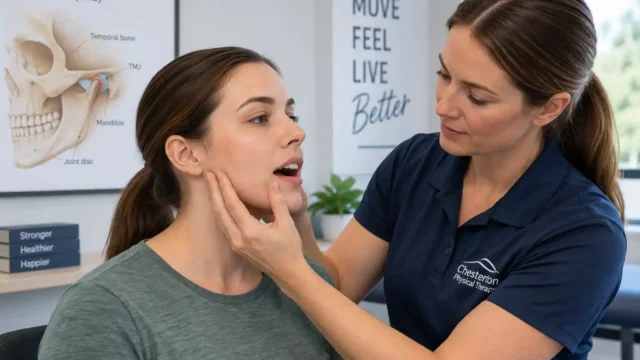
Physical Therapy for TMJ: Relief for Jaw and Ear Pain Based on 627 Reviews rosanne calahan I love the Chesterton physical therapy facility. I have had TMJ pain since may of 2024 and have seen many medical practitioners for it. I only had 3 treatments at the Chesterton physical therapy by Dr. Maribel and already feel much better !! Fun place natalina Saw Maribel and had a great session! I came for TMJ relief, I did not realize my back was the culprit. Maribel gave me relief! natalina Saw Maribel and had a great session! I came for TMJ relief, I did not realize my back was the culprit. Maribel gave me relief! natalina Maribel was able to fit me in same day to her schedule for my locked jaw. During my visit she was very detailed in her questions to better help and determine the cause and how to help. She did not just focus on my jaw, she also help my upper and lower neck. Thankfully by the end of the visit I was able to open up my mouth more wide than when I initially came in. I look forward to continuing my therapy here with Maribel! Highly recommended her! Physical therapy for TMJ is essential for managing Temporomandibular Joint Disorder (TMJ), a condition that affects the jaw joint and surrounding muscles, leading to discomfort, pain, and limited movement. Many people who suffer from TMJ experience symptoms such as jaw pain, ear pain, headaches, and difficulty chewing. Fortunately, physical therapy for TMJ offers a non-invasive and effective way to manage and treat these symptoms. In this article, we will explore various physical therapy techniques, TMJ treatments, and tips for at-home care. What is TMJ Dysfunction? TMJ, or Temporomandibular Joint Disorder, refers to the dysfunction of the joint connecting your jaw to your skull. This joint is responsible for basic functions like chewing, talking, and opening your mouth. When the TMJ is not functioning properly, it can cause discomfort, pain, and limitations in movement. Common causes of TMJ dysfunction include stress, teeth grinding (bruxism), arthritis, trauma to the jaw, or misalignment of the teeth. If left untreated, TMJ disorder can worsen over time, leading to chronic pain and discomfort in the jaw, face, and even neck. This is where physical therapy for TMJ comes in to help alleviate the symptoms and restore normal function. How Physical Therapy Can Help TMJ Physical therapy is an excellent non-invasive treatment option for managing TMJ symptoms. Through a combination of exercises, manual therapy, and patient education, physical therapists can help relieve pain and improve the function of the temporomandibular joint. TMJ physical therapy aims to reduce pain, restore mobility, and prevent future flare-ups. The specific benefits of physical therapy for TMJ include: Pain relief: Reducing pain in the jaw, face, and ear. Improved jaw mobility: Restoring the ability to open and close the mouth without discomfort. Muscle relaxation: Targeting tension in the muscles around the TMJ. Posture improvement: Correcting postural issues that may contribute to TMJ dysfunction. How Physical Therapy Can Help TMJ Before diving into treatment options, it’s essential to recognize the symptoms of TMJ dysfunction. Common symptoms include: Jaw pain: This can range from mild discomfort to severe pain, often worsening when chewing or speaking. Ear pain: TMJ dysfunction can lead to ear pain or a feeling of fullness in the ears. Headaches: TMJ-related tension can trigger frequent headaches. Jaw clicking or popping: Some individuals experience clicking or popping sounds when opening or closing their mouths. Lockjaw: In severe cases, the jaw may temporarily lock, making it difficult to open or close the mouth. If you’re experiencing these symptoms, it’s important to seek professional care. At Chesterton Physical Therapy, we provide effective solutions by combining physical therapy with other treatments to help manage and reduce your symptoms. Request Appointment Effective Physical Therapy Techniques for TMJ TMJ physical therapy techniques target the muscles and joints responsible for the dysfunction. These techniques can include: Manual Therapy: Hands-on manipulation of the muscles and joints to improve mobility and reduce stiffness. This can also involve soft tissue massage to relieve muscle tension. Jaw Exercises: Gentle exercises designed to strengthen the muscles around the TMJ and improve movement. Some common exercises include: Resisted mouth opening: Place your thumb under your chin and slowly open your mouth, using slight resistance with your thumb. Chin tucks: This exercise helps improve posture, which can reduce stress on the jaw joint. Gently pull your chin back towards your neck while keeping your head level. Posture Correction: Poor posture, especially forward head posture, can strain the TMJ. Physical therapists help correct posture to reduce pressure on the jaw joint. Stretching and Strengthening Exercises: These exercises target the neck, shoulders, and upper back to relieve tension that may be affecting the jaw. By targeting the muscles and joints associated with TMJ dysfunction, physical therapy techniques provide effective, long-lasting relief for those suffering from TMJ. TMJ PT Treatment: What to Expect in Chesterton PT When you come to Chesterton Physical Therapy for TMJ treatment, our physical therapists will perform a detailed evaluation of your symptoms, posture, and jaw function. This evaluation enables us to create a customized treatment plan that addresses your unique requirements. Initial Consultation: During your first visit, the therapist will assess your jaw movement, muscle tightness, and overall posture. Customized Treatment Plan: Based on your evaluation, the therapist will design a program that includes manual therapy, exercises, and lifestyle modifications to improve your condition. Progress Monitoring: Over time, our therapist will track your progress and adjust your treatment plan as needed to ensure you’re achieving the best possible results. How to Relieve Jaw and Ear Pain at Home In addition to professional TMJ PT treatment, there are several ways to relieve jaw and ear pain at home. Here are some TMJ home treatment tips: Apply Ice or Heat: Ice packs can help reduce swelling, while heat packs can relax tight muscles. Apply for 15-20 minutes as needed. Gentle

Sports Injury Rehabilitation: From Common Injuries to Effective Therapies

Sports Injury Rehabilitation at Chesterton Physical Therapy

Sports Injury Rehabilitation: From Common Injuries to Effective Therapies Based on 627 Reviews Victoria Deleon My assesment for my injured shoulder and my poor balance really identified the kind of therapy I need to improve my functionThe staff is very friendly and knowledgeable. Maribel has a comprehensive plan for me. I look forward to being able to be more active and enjoying the activities I like to enjoy! Highly recommended! Sasha VanTil Maribel really helped with my foot and ankle pain. They do not feel as swollen and I am excited to continue working with her. Alex Powell I came in for shoulder tightness I’ve had for a long time. No matter what I did, I couldn’t make it go away so I decided to give this place a try. I had Dr Maribel Bacalan for my physical therapy appointment and she did a great job working toward making it feel better. I wish I would’ve thought to come here sooner. J. C. I was very well taken care of here. I got excellent treatment and care, and the entire staff is so helpful with explaining what I need to do. I feel less pain and greater range of motion already.I highly recommend this facility. Sports injury rehabilitation is an essential part of an athlete’s recovery journey, whether they are a professional competitor or someone who enjoys sports as a hobby. The process not only helps heal injuries but also plays a crucial role in preventing future injuries and optimising performance. This article will help you understand sports injury rehabilitation’s intricacies, covering everything from common injuries to effective therapy options and the importance of personalized care. By understanding the rehabilitation process, athletes can ensure a faster, more effective recovery and return to their sport with confidence. Understanding Sports Injury Rehabilitation What is Sports Injury Rehabilitation? Sports injury rehabilitation refers to the process of restoring function and strength to an injured area of the body, enabling athletes to return to their sport. Rehabilitation is a tailored approach, often involving a combination of physical therapy, exercises, and sometimes psychological support, to help athletes overcome both the physical and mental challenges posed by injuries. The primary goals of sports injury rehabilitation are to reduce pain, restore mobility, improve strength, and ensure the injury does not recur. This process involves various stages, starting from the acute management of the injury, moving through recovery phases, and finally, returning to sport-specific training. Each rehabilitation stage is crucial, as rushing the process can lead to re-injury or prolonged recovery times. The Importance of Rehabilitation Rehabilitation is critical because it ensures that the injured tissue heals properly, regains its full function and that the athlete returns to their sport safely. Without proper rehabilitation, there is a higher risk of re-injury or developing compensatory injuries due to imbalances or weaknesses in other areas of the body. Additionally, this helps athletes mentally cope with the injury. Being sidelined can be frustrating and stressful, and the psychological support provided during rehabilitation is just as important as the physical aspects. A well-structured rehabilitation program can help athletes maintain a positive outlook and stay motivated throughout their recovery. The Most Common Sports Injuries While injuries can occur in any sport, certain sports have higher injury rates due to the nature of the activities involved. Contact sports like football, rugby, and hockey are notorious for high injury rates, given the physical collisions that are a regular part of these games. Basketball and soccer also see frequent injuries, particularly to the knees and ankles, due to the intense running, jumping, and quick changes in direction that these sports require. Non-contact sports, such as tennis and gymnastics, also have their share of injuries, often related to overuse or repetitive strain. For instance, tennis players are prone to elbow and shoulder injuries due to the repetitive motion of serving and hitting. Gymnasts often experience injuries to the wrists, ankles, and lower back due to the high-impact landings and the demands placed on their bodies during routines. Request Appointment Worst Sports Injuries Some sports injuries are more severe than others and can be career-threatening or even life-altering. These injuries often necessitate significant rehabilitation and, in some cases, surgical intervention. Examples of the worst sports injuries include: Torn ACL (Anterior Cruciate Ligament): Common in sports like football, basketball, and soccer, a torn ACL can sideline an athlete for several months and requires a rigorous rehabilitation process post-surgery. Achilles Tendon Rupture: This injury is common in sports that involve a lot of jumping or sudden changes in direction, such as basketball and tennis. Recovery can take up to a year, with a high risk of re-injury if not properly rehabilitated. Spinal Cord Injuries: Though rare, spinal cord injuries can occur in high-impact sports such as rugby or gymnastics. These injuries can lead to paralysis and require long-term rehabilitation and care. Concussions: Common in contact sports like football and hockey, concussions are traumatic brain injuries that can have long-term effects on an athlete’s cognitive and physical abilities. Rehabilitation involves not just physical rest but also cognitive therapy to ensure full recovery. Testicular Injuries in Women’s Sports While less common, testicular injuries in women’s sports are a concern in sports where there is a risk of blunt force trauma to the pelvic area, such as martial arts, soccer, and field hockey. Though women do not have testicles, they are susceptible to injuries in the groyne area, which can be just as painful and debilitating. For female athletes, these injuries can include bruising, hematomas, or even damage to the internal structures of the reproductive organs. Rehabilitation for such injuries typically involves rest, ice, compression, and elevation (RICE), followed by gentle stretching and strengthening exercises to restore mobility and function. Effective Therapy for Sports Injuries Physical Therapy Physical therapy serves as the foundation of recovery from sports injuries. It involves a range of treatments designed to reduce pain, improve mobility, and strengthen the affected area. Our physical therapists at Chesterton Physical Therapy will

Physical Therapy for Shoulder Pain: Solutions, Causes, and Treatments

Physical Therapy for Shoulder Pain

Physical Therapy for Shoulder Pain: Solutions, Causes, and Treatments Based on 627 Reviews Victoria Deleon My assesment for my injured shoulder and my poor balance really identified the kind of therapy I need to improve my functionThe staff is very friendly and knowledgeable. Maribel has a comprehensive plan for me. I look forward to being able to be more active and enjoying the activities I like to enjoy! Highly recommended! Heathen Honeybee Maribel made a huge difference in my neck and shoulder pain! I left with less pain and more mobility. nirmal brar My first visit to this PT clinic was awesome! Dr. MARIBLE and Tech Maddie were great. Overall, The staff was super friendly and made me feel right at home. Check in was super easy and quick!They really listened to my concerns and took the time to explain everything in a way I could understand. Due to my profession, I do get alot of toil on my body. Recently I started having shoulder discomfort so my friend recommended Chesterton PT.I left feeling hopeful and excited about my recovery. Can’t wait to go back! Kimberly Diederich Maribel is the sweetest most welcoming pt therapist I have ever worked with!!! I am so excited to go see her everyday she can make your day with her happy upbeat personality. she offers so much great advice and things to do at home to help heal my shoulder faster!!! i’d recommend her 1000% to anyone having any kind of issue needing physical therapy Shoulder pain is a widespread issue that can significantly impact your daily life. Finding effective relief is crucial, whether you’re dealing with discomfort from an injury, a chronic condition, or even pain caused by sleeping on your side.  Physical therapy for shoulder pain is one of the most effective ways to manage and alleviate these issues. In this article, we’ll explore the causes of shoulder pain, why it often worsens at night, and how Chesterton Physical Therapy can provide lasting solutions. Understanding Shoulder Pain and Its Causes The shoulder is a complex joint, making it susceptible to various types of injuries and conditions that can lead to pain. Identifying the underlying cause of your shoulder pain is essential for effective treatment and recovery. Common Causes of Shoulder Pain Rotator Cuff Injuries: The rotator cuff plays a crucial role in maintaining shoulder stability. Injuries such as tears or strains in these muscles and tendons are common causes of shoulder pain, often resulting from repetitive overhead motions, heavy lifting, or trauma. Frozen Shoulder (Adhesive Capsulitis): This condition causes stiffness and pain, limiting the range of motion in the shoulder. It’s more common in individuals with diabetes or those who have had their arm immobilised for an extended period. Tendonitis: Inflammation of the tendons in the shoulder, usually due to overuse or repetitive activities, can cause significant pain and tenderness, particularly during movement. Shoulder Impingement Syndrome: This occurs when the tendons or bursa in the shoulder are compressed during arm movements, leading to pain and inflammation. It’s often caused by repetitive overhead activities or poor posture. Shoulder Bursitis: Inflammation of the bursae, small fluid-filled sacs that cushion the shoulder joint, can cause sharp pain and swelling, particularly with repetitive movements or injury. Shoulder Pain from Sleeping on Your Side One common but often overlooked cause of shoulder pain is sleeping on your side. This position can put pressure on the shoulder joint, leading to discomfort and pain, especially if the arm is tucked under the body or positioned awkwardly. Over time, this can result in chronic pain that worsens if not addressed. Why Does Shoulder Pain Worse at Night? Many people find that their shoulder pain intensifies at night, making it difficult to get a good night’s sleep. There are several reasons why this happens, and understanding these can help you take steps to alleviate the pain. Lack of Movement During the day, regular movement keeps the shoulder joint lubricated and the muscles active. However, at night, when you’re lying still for hours, the shoulder can become stiff, and inflammation may increase, leading to more intense pain. Sleeping Position Your sleeping position plays a crucial role in shoulder pain. Pain at night in the shoulder is often exacerbated by side sleeping, which can place constant pressure on the joint. Even sleeping on your back or stomach can lead to awkward shoulder positioning, causing strain and discomfort. Reduced Circulation When lying down, blood flow to certain areas can be reduced, especially if you’re in a position that compresses blood vessels. This reduction in circulation can increase inflammation and pain, particularly in shoulders already affected by conditions like tendonitis or bursitis. Effective Physical Therapy Techniques for Shoulder Pain Physical therapy for shoulder pain is a proven and effective treatment method that addresses both the symptoms and the underlying causes. A physical therapist can evaluate your condition and develop a customised treatment plan to meet your specific needs. Shoulder Physical Therapy (PT) Exercises Physical therapy exercises are designed to improve flexibility, strengthen muscles, and reduce pain. Here are some common exercises that might be included in a shoulder PT program: 1. Pendulum Exercise: This exercise is great for improving shoulder mobility. Lean forward slightly, letting your affected arm hang down, and gently swing it in small circles. Gradually increase the size of the circles to help loosen up the shoulder joint. 2. Wall Crawls: Stand facing a wall and place your fingertips at waist height. Slowly crawl your fingers up the wall, allowing your arm to follow until you feel a stretch. This exercise enhances shoulder flexibility and expands the range of motion. 3. Shoulder Blade Squeezes: Either sitting or standing with your arms at your sides, draw your shoulder blades together as though pinching a pencil between them. Hold for a few seconds before releasing. This exercise builds strength in the muscles responsible for stabilising the shoulder blades. 4. External Rotation with a Resistance Band: Attach a resistance band to a stable object

Knee Arthritis: Innovative Relief Without Going Under Knife!

Hip and Knee Pain

Knee Arthritis: Innovative Relief Without Going Under Knife! Based on 627 Reviews William P. Schurr Maribel and her staff are awesome. My daughter referred me while out of town and they took me in right away! Treatments have been great and my knee feels a lot better now. Kymie Conners Maribel and team were terrific. I came in with horrible pain in left knee. They did ultrasound and laser on my knee. Also they taped it. I can already feel a HUGE difference with relief in my knee. Great, friendly, wonderful staff!! Definitely will recommend Get Back to Your Active Lifestyle with Knee Arthritis Treatment Without Surgery Knee arthritis is a common condition that causes pain and stiffness in the knee joint. It is caused by the wear and tear of the cartilage that cushions the bones in the knee. As the cartilage wears down, the bones begin to rub against each other, causing pain and inflammation. Surgery is often considered as the final option for treating knee arthritis, but there are several non-surgical treatment options that can provide relief and improve function. Non-Surgical Options For Knee Arthritis Treatment Medications: Over-the-counter pain relievers such as ibuprofen and acetaminophen can help reduce pain and inflammation. If these medications are not effective, your doctor may prescribe stronger pain medications or anti-inflammatory drugs. Physical therapy: Physical therapy can help improve range of motion and strengthen the muscles around the knee. Exercises such as cycling, swimming, and using an elliptical machine can also help reduce pain and improve function. Injections: Corticosteroid injections can help reduce inflammation and pain in the knee. Hyaluronic acid injections can also be used to lubricate the knee joint and provide relief. Bracing: Wearing a knee brace can help provide support and stability to the knee, which can help reduce pain. Lifestyle changes: Maintaining a healthy weight, avoiding activities that put excessive stress on the knee, and using proper technique when engaging in physical activities can help reduce the symptoms of knee arthritis. Let Our Expert Physical Therapists Guide You Towards A Pain-Free Future >> It’s important to note that the treatment plan will depend on the individual’s needs and the severity of the arthritis. It’s important to consult with a doctor or a physical therapist to develop a plan that is right for you. Physical Therapy: Best Non-Surgical Treatment For Knee Arthritis Physical therapy is a key component of non-surgical treatment for knee arthritis. A physical therapist can help you improve range of motion, decrease pain and inflammation, and strengthen the muscles around your knee. Here are some specific ways physical therapy can help with knee arthritis: Range of Motion Exercises: Physical therapists will work with you to develop an exercise program that helps improve the flexibility and range of motion in your knee joint. This includes exercises such as leg extensions, leg curls, and calf stretches. Strengthening exercises: Building strength in the muscles that surround the knee joint can help take pressure off the knee. The therapist will work on exercises that target the quadriceps, hamstrings, and calf muscles, as well as the glutes and core. Pain Management: Physical therapy can help reduce pain and inflammation by using techniques such as ultrasound, electrical stimulation, and hot/cold therapy. Gait Training: The therapist will work with you to improve your walking pattern. Improper gait can put excessive stress on the knee joint, so it’s important to correct it. Education: A physical therapist will teach you how to properly perform exercises, how to use assistive devices such as crutches or canes, and how to manage your condition outside of therapy sessions. It’s important to note that a physical therapy program for knee arthritis should be tailored to your specific needs, taking into account the severity of your condition and your overall health. A physical therapist will work with you to develop a treatment plan that is right for you and help you set and achieve your therapy goals. Why Choose Chesterton Physical Therapy At Chesterton Physical Therapy Clinic physical therapists will examine your hip and/or knee for signs of misalignment or structural damage, as well as your stance, posture, gait, and range of motion at your first appointment. Following your physical exam, your physical therapists will recommend a physical therapy plan for you to relieve unnatural stress and strains. They will also work to improve your overall joint function so that you can resume your normal life. You will be given specific exercises to help relieve joint pain and stabilize your weak hip and/or knee. Exercises will vary depending on your condition; for example, those experiencing kneecap pain typically respond better to exercises that focus on strengthening both the hips and the knees, rather than just the knees. You may also be given core strengthening exercises to help strengthen your back muscles, lower abdominal muscles, and pelvic muscles. Core exercises are intended to improve your posture, in addition balancing the weight on both sides of your body. In conclusion, knee arthritis is a common condition that can be treated without surgery. Physical therapy is the best of the non-surgical options that can provide relief from the symptoms of knee arthritis. It’s time to take a stand against your hip and knee pain; get started on the road to long-term pain relief today! To speak with one of our dedicated physical therapists, contact Chesterton Physical Therapy today. You’re in good hands at our Dunes Plaza, Willowcreek Rd Suite A and Sand Creek physical therapy practice!   With over 26 years of experience in acute care, subacute care, inpatient rehab, home health, TBI, SNF, and outpatient, she specializes in using manual therapy and neuromuscular techniques to achieve the best possible outcomes for patients. Dr. Singh is certified in weight management, Anodyne Therapy, and Intone, and incorporates innovative technology such as Biosway, Anodyne Therapy, and Intone into her practice. Her passion lies in outpatient care, where she can use her clinical skills to make a difference in the lives of her patients. She places the patient first in every

Opioid Statistic No More: Unleash Natural Healing Power Now!

Opioid Statistic

Opioid Statistic No More: Unleash Natural Healing Power Now! Based on 627 Reviews Missy Costello Just started coming here last week and I already feel comfortable with the staff. Maribel, Wes and the rest of the crew are all welcoming and informative. I already starting to feel some relief from my back pain which makes me feel positive I’ll be off of light duty at work sooner than planned. kassie anderson Maribel was great! This is the first physical therapist I have been to that cares, lots of different ways to treat my pain. The red light was where it was at! Hopefully my lower back pain will subside in time  Gina Ramos Torres As a therapy provider, my expectations were high & they have exceeded my expectations. Maribel & her team are wonderful & have made the process a great experience! rust nvrsleeps Dr Maribel did an awesome job…it’s still early in the treatment but I’m already feeling the results. I climbed telephone poles for 35 years and my back is killing me….After ten months of trying to get some relief Dr Maribel is the first person to make it feel better…. Relieve Your Pain Naturally with the Help of Physical Therapy You’ve got so many things you want or need to do today – but they’re going to have to wait until you get your pills. Prescription opioids are powerful drugs that can cause pain to subside for hours at a time. Unfortunately, they can also cause serious new problems in your life, from the risk of overdose to the stifling grip of addiction. If you’ve been depending on opioids just to make everyday life tolerable, it’s time to find a safer, healthier, less frightening alternative. Thankfully, physical therapy can help you govern your pain without drugs, giving you a chance to break away from your reliance on opioids. How can physical therapy help me find relief? Physical therapy can help you deal with your pain so you don’t need opioids anymore. Of course, only high doses of opioids should be discontinued under professional medical supervision (to prevent a potentially dangerous withdrawal). In the meantime, however, our physical therapist can work with you to address the biomechanical problems that caused your pain in the first place. Here are just a few of the physical therapy modalities that can help you conquer your pain: Transcutaneous electrical nerve stimulation (TENS) uses electrical energy to block pain signals to nerves. Laser therapy can ease pain caused by injuries, arthritis, muscular strain, tendinitis or neuropathy. Massage therapy can control painful muscle spasms, help the tissues expel inflammatory substances, and direct more blood and oxygen to an injury. Exercises can increase your pain-free range of motion, strengthen the muscles that support your body, and increase blood flow to reduce inflammation. Physical therapy may not help you to feel that immediate relief in the same way pain medication would, but it will help you to feel gradual improvements in your experience of the pain so that you can eventually start to live your life free of discomfort. A physical therapist can also help you discover relief through: Targeted massage: Your physical therapist can identify the area that may be causing the pain and utilize massage techniques to reduce tension in that particular area, thereby helping to alleviate pressure in your joints and reduce pain. Hot and cold therapy: The combination of hot and cold therapy can help to reduce swelling and alleviate pain, and when used in combination with other natural strategies can be a great source of relief from chronic pain. Deep stretching: Your physical therapist can guide you through specialized stretching techniques that will target the source of your pain, thereby helping to improve your range of motion and support the development of muscle mass in the area of your pain. Weight lifting: As you begin to experience tension relief and decreased swelling in the targeted area, your physical therapist can then guide you through the process of building muscle mass to support a full and healthy recovery. The dangerous reality of the opioid epidemic Many people who become addicted to opioids were first prescribed by a medical doctor to treat acute or chronic pain. The problem is, opioid medications: Can be highly addictive Only hide symptoms of pain—they don’t address the underlying causes, which makes opioids less cost-effective over time Are associated with an increased risk of uncomfortable withdrawal symptoms and depression The opioid epidemic is a very real (and very deadly) problem. It’s believed that some 2 million Americans suffer from an opioid use disorder such as addiction. According to the Centers for Disease Control and Prevention, an average of 130 people die from opioid overdoses every day here in the U.S. Since 1999, the number of opioid-related deaths has multiplied sixfold. So, why are opioids so dangerous? These drugs prevent pain by attaching themselves to the brain’s opioid receptors. They can also cause both drowsiness and an intense high at high doses. This can cause a psychological dependence on the drug – but the trouble doesn’t stop there. The brain and body become accustomed to a given dose of the opioid, creating a drug tolerance. As a result, you end up in need of larger and larger doses, not just to achieve the same degree of pain relief, but also to prevent agonizing withdrawal symptoms. Eventually, the dose you need could be a fatal one. Even if you are not addicted to opioids, your chronic pain may force you to continue taking opioids on a regular basis. Unfortunately, opioid drugs block pain messages temporarily, but they do absolutely nothing to address the underlying health challenges that are causing your pain. Find natural pain relief treatments today! Physical therapy is a clear and positive alternative to the dangers of regular opioid use and abuse. If you’re ready to curb that daily opioid habit, start by contacting us for a safe, effective pain management plan! Sources: https://www.hhs.gov/opioids/about-the-epidemic/index.html https://www.apta.org/PTinMotion/2018/10/Feature/Opioid/ https://www.cdc.gov/drugoverdose/epidemic/index.html https://www.mayoclinic.org/diseases-conditions/prescription-drug-abuse/expert-answers/what-are-opioids/faq-20381270 http://www.rehabpub.com/2018/02/physical-therapy-can-treat-chronic-pain/ https://www.webmd.com/pain-management/physical-therapy#1 https://www.asahq.org/whensecondscount/pain-management/opioid-treatment/what-are-opioids/

CELEBRATING OUR 17th YEAR OF SERVICE!

X