

 Posted on Google
 George Rone
Trustindex verifies that the original source of the review is Google.
I received great care for my shoulder here. The staff was extremely kind and welcoming!Posted on Google Lena ChachankoDr. Maribel and Jordan were great at explaining and making me comfortable. The laser was great and helped me relax. It is a good environment, I’d definitely recommend this place!Posted on Google
 Devin SainDr. Maribel she did a wonderful job working on me my first day coming here my pain dropped a lot getting helped from her. I was at 8 pain level and it dropped to a 2 she did some needle work on my lower back Area it felt really good So I recommend it if you have lower back pain and also she used tape on my lower back it feels really good. Overall I highly recommended her Dr. Maribel 10 out of 10 my first day coming in I felt really comfortable getting helped here in this areaPosted on Google
 Ann HollenbergerI have been coming to physical therapy since June. Dr. Maribel is wonderful, caring & has helped me a lot with my pelvic therapy. Jordan is the best! She’s very personable, kind , and always smiling! Love them. ❤️❤️Posted on Google
 John ReillyI'm about six weeks post major surgery for a condition called Neurogenic Thoracic Outlet Syndrome. It's basically nerve crush due to whip-lash, repetitive stress etc. I'm feeling very lucky that I have Dr. Maribel and Chesterton Physical Therapy helping me with my recovery. Mine is a long road back and their team has been helping me every step of the way. E-stim, laser, ultrasound, heat/ice, and dry-needling have all been used to help my muscles calm down and respond to treatment. The exercises they've implemented for me thus far are creative and perfectly matched to where I am in my recovery. The team is incredible - Alex, Adam, Neal, Jordan, Lucy, Sir John etc. - everyone is friendly, caring and genuinely wants to help you. Dr. Maribel oversees it all and designs customized treatment plans to get you where you need to go. She runs a tight ship and has hired a great staff. I have many sessions more to go and look forward to each one. Highly recommend!Posted on Google
 Peggy ArnettJacob, Dr Maribel, Adam is really outstanding. They will push you to work harder. Highly recommend CPT!!!Posted on Google
 Lexi PedeDr. Maribel and Jordan are fantastic :) thank you so much for your help!Posted on Google
 Desirae ThompsonAll of the staff is very welcoming, they are like a big family and care for both the staff and patients. I see Dr. Maribel, she really tries to pinpoint what you need help with by asking many questions, which if you’re very anxious like me and don’t know how to talk to people helps tremendously.Posted on Google
 Jackie GonzalezAll personal very friendly and professional, a great place for physical therapy, Dr Maribel Bacalan very nice, and tech Miss Jordan very helpful and friendly and john friendlyPosted on Google
 Rafael MoraMy experience with Dr. Neil and the whole team was great. Everyone I met was very friendly and supportive! Overall great experience and helped alleviate my pain tremendously!Verified by TrustindexTrustindex verified badge is the Universal Symbol of Trust. Only the greatest companies can get the verified badge who has a review score above 4.5, based on customer reviews over the past 12 months. Read more
To relax pelvic floor muscles, practice diaphragmatic breathing, perform gentle pelvic floor stretches, improve your posture, reduce stress, and avoid unnecessary straining or excessive Kegel exercises. If symptoms like pelvic pain, urinary urgency, constipation, or pain during intercourse persist, consult a pelvic floor physical therapist for a personalized treatment plan.
Pelvic floor discomfort affects millions of people, yet it’s often misunderstood. While many assume pelvic floor problems are caused by weak muscles, overly tight pelvic floor muscles—also known as a hypertonic pelvic floor—are a common cause of chronic pelvic pain, urinary problems, constipation, and discomfort during everyday activities.
If you’ve been searching for how to relax pelvic floor muscles, you’re already taking the first step toward improving your health.
Learning to release tension in these muscles can help relieve pain, improve bladder and bowel function, enhance mobility, and restore your overall quality of life.
Contrary to popular belief, strengthening isn’t always the answer. When the pelvic floor remains constantly contracted, adding more strengthening exercises like Kegels may worsen symptoms. Instead, the focus should be on restoring the muscles’ ability to relax naturally before considering strengthening exercises.
In this article, you’ll learn:
If you’re experiencing ongoing pelvic discomfort, seeking professional Pelvic Pain Physical Therapy can help identify the root cause and create a personalized treatment plan.
These muscles play an important role in:
Problems develop when these muscles stay contracted for long periods and lose their ability to relax properly.
Many people immediately think of Kegel exercises when they hear “pelvic floor.” While strengthening exercises benefit people with weak pelvic floor muscles, they aren’t appropriate for everyone.
Imagine clenching your fist all day. Eventually, your hand would become stiff, sore, and difficult to move. The same thing happens when the pelvic floor remains constantly tightened.
An overactive pelvic floor may:
Before strengthening begins, restoring normal muscle relaxation is often the first and most important step.
A tight pelvic floor usually develops gradually due to a combination of physical, emotional, and lifestyle factors.
Stress affects more than your mind—it also affects your muscles. Many people unknowingly clench their jaw, shoulders, abdomen, and pelvic floor throughout the day. Over time, this constant muscle guarding can lead to chronic pelvic tension.
Pregnancy places significant pressure on the pelvic floor, while childbirth stretches these muscles extensively. During recovery, some individuals develop excessive muscle tightness instead of weakness, especially if scar tissue or protective muscle guarding develops.
Your pelvic floor works closely with your spine, hips, diaphragm, and abdominal muscles. Sitting for long hours, slouching, or poor standing posture changes how these muscles function, often leading to unnecessary tension.
Frequent heavy lifting, weight training, and repetitive impact activities increase abdominal pressure. Without proper breathing mechanics, the pelvic floor may stay constantly contracted, resulting in tightness and discomfort.
Repeated straining during bowel movements forces the pelvic floor to work harder than necessary. Over time, this can make it increasingly difficult for the muscles to relax normally.
Pelvic, abdominal, or hip surgeries may leave scar tissue that restricts normal movement, causing surrounding muscles to tighten during healing.
Falls, sports injuries, motor vehicle accidents, or direct trauma to the pelvis can trigger protective muscle tightening. Even after the injury heals, the muscles may continue guarding the affected area.
People living with chronic pain conditions often develop increased muscle tension throughout the body, including the pelvic floor. Persistent pain changes how the nervous system responds, making relaxation more difficult.
Symptoms vary from person to person. Some experience mild discomfort, while others find that pelvic floor dysfunction significantly affects daily life.
Common symptoms include:
These symptoms often overlap with other medical conditions, making a professional evaluation essential for an accurate diagnosis.
Relaxing the pelvic floor takes consistency rather than force. Gentle daily exercises, breathing techniques, and lifestyle changes often produce better long-term results than aggressive stretching or strengthening.
Important: Stop any exercise that increases pain or discomfort, and consult a healthcare professional if symptoms worsen.
Relaxing the pelvic floor takes consistency rather than force. Gentle daily exercises, breathing techniques, and lifestyle changes often produce better long-term results than aggressive stretching or strengthening.
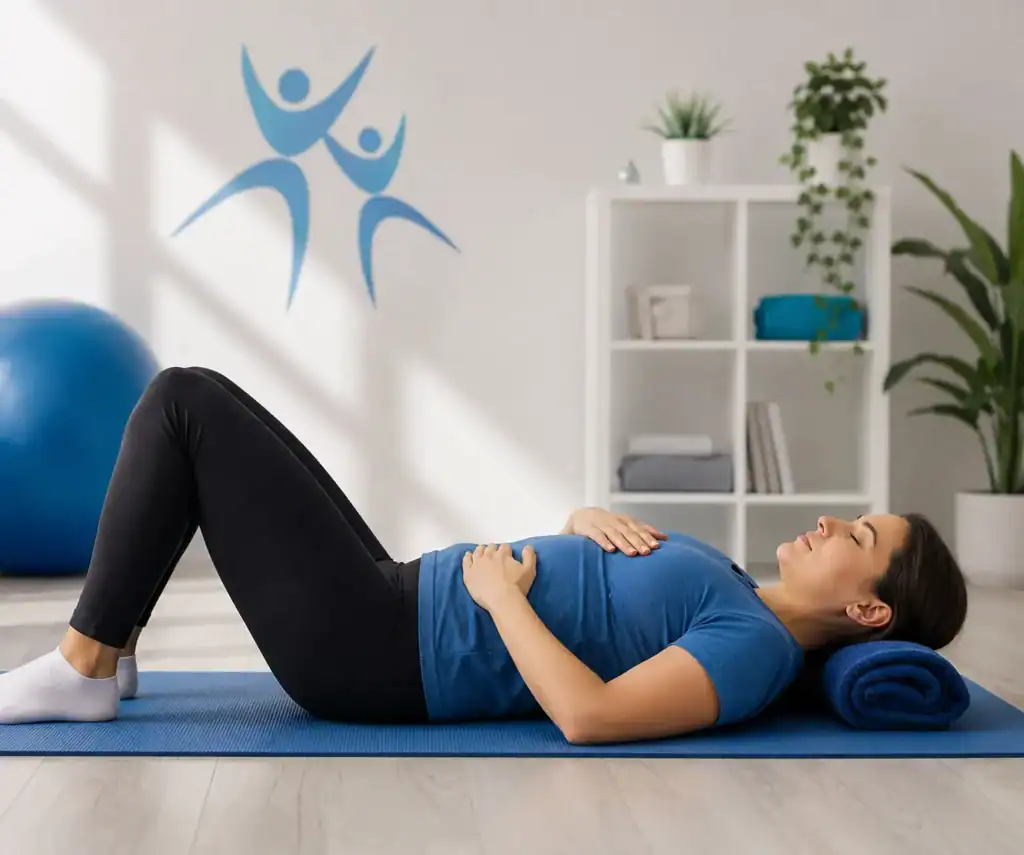
Many people unknowingly keep their pelvic floor contracted throughout the day.
Take a few minutes daily to check for unnecessary tension.
Ask yourself:
If the answer is yes, take a slow breath and consciously relax those muscles. Mindfulness, meditation, and gentle yoga can also help reduce unconscious muscle guarding.
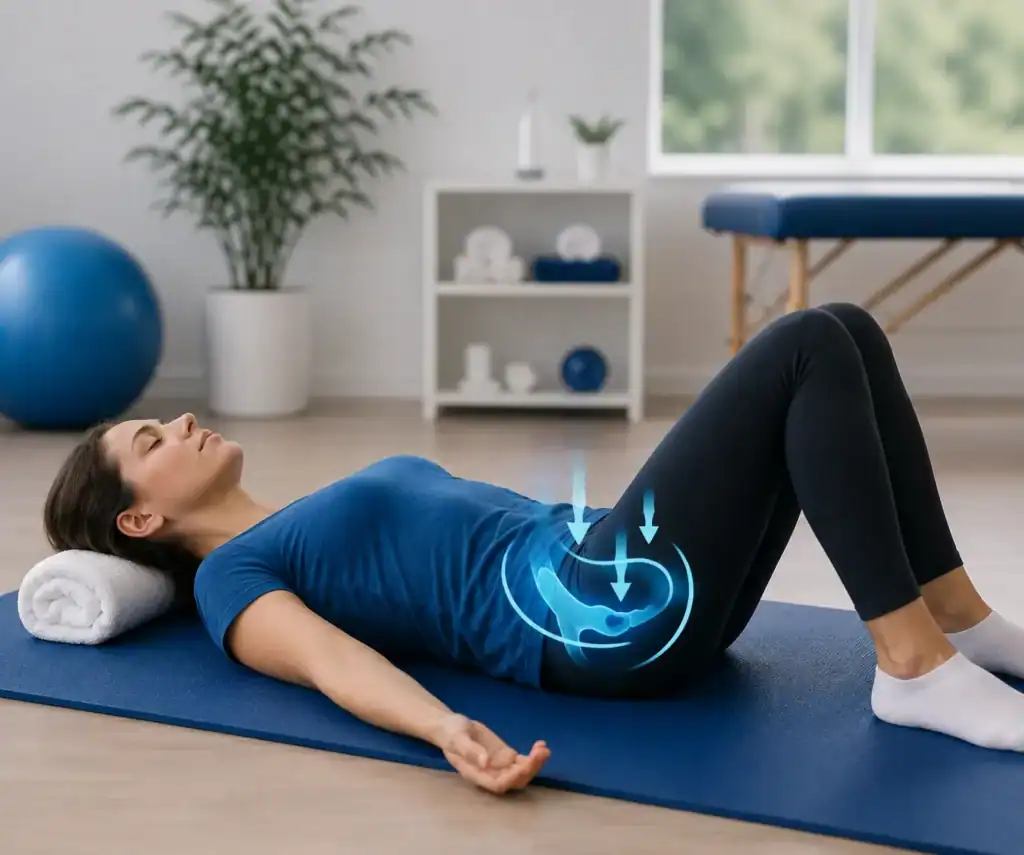
Unlike traditional Kegels, Reverse Kegels teach your pelvic floor muscles to lengthen instead of contract.
Stretching surrounding muscles helps reduce tension throughout the pelvis.
A gentle yoga stretch that relaxes the lower back, hips, and pelvic floor.
Hold for 30–60 seconds, breathing deeply.
Lie on your back, hold your feet or ankles, and allow your knees to move toward your armpits.
Hold for 30–45 seconds without forcing the stretch.
Sit with the soles of your feet together and allow your knees to fall outward naturally.
Hold for 30–60 seconds, keeping your back straight.
Holding onto a stable surface, lower into a comfortable squat while breathing deeply.
This stretch helps lengthen the pelvic floor while improving hip mobility.
Applying heat before exercises helps improve blood flow and reduce muscle guarding.
Effective options include:
Apply heat for 15–20 minutes before stretching to make muscles more receptive to relaxation.
Applying heat before exercises helps improve blood flow and reduce muscle guarding.
Effective options include:
Apply heat for 15–20 minutes before stretching to make muscles more receptive to relaxation.
One of the biggest misconceptions about pelvic health is that everyone should perform Kegels.
If your pelvic floor is already tight, repeated contractions may worsen:
Instead, prioritize breathing exercises, relaxation techniques, and gentle stretching. Once muscle tension decreases, a pelvic floor physical therapist can determine whether strengthening exercises are appropriate.
Relaxing your pelvic floor isn’t just about performing exercises—your daily habits play an equally important role. Small lifestyle changes can help prevent recurring muscle tension, improve pelvic function, and support long-term recovery.
A balanced diet rich in fruits, vegetables, whole grains, legumes, and seeds promotes regular bowel movements and reduces unnecessary pressure on the pelvic floor. Healthy digestion is essential for preventing chronic muscle tension caused by repeated straining.
Consistent pelvic floor therapy offers a wide range of benefits for women at different life stages:
Stress is one of the leading contributors to pelvic floor tightness. When you’re anxious or overwhelmed, your body naturally tenses its muscles—including those in the pelvic region.
Incorporate stress-reducing activities such as:
Even 10–15 minutes of daily relaxation can make a noticeable difference.
Regular movement improves circulation, flexibility, and muscle coordination throughout your body.
Choose low-impact activities such as:
If exercise increases your symptoms, consult a physical therapist before continuing.
Poor posture places unnecessary stress on your pelvis, hips, and lower back.
When sitting:
Proper posture helps your pelvic floor work efficiently with your diaphragm and core muscles.
Improper lifting significantly increases pressure inside your abdomen.
Whenever lifting:
These simple adjustments reduce unnecessary strain on your pelvic floor.
Your muscles and nervous system recover while you sleep. Adults should aim for 7–9 hours of quality sleep each night to promote healing, reduce stress, and support healthy muscle function.
Certain everyday habits can worsen pelvic floor dysfunction and slow recovery. Avoiding these common mistakes can help reduce symptoms and prevent future flare-ups.
Many people unconsciously hold their breath while exercising, lifting, or performing daily tasks. This increases pressure inside your abdomen and causes the pelvic floor to tighten.
Instead, breathe steadily during movement and exhale during exertion.
Repeated straining places excessive stress on the pelvic floor muscles.
To reduce straining:
Activities like running, jumping, or heavy weightlifting may temporarily aggravate symptoms.
Choose lower-impact alternatives until your symptoms improve and gradually return to higher-intensity exercise under professional guidance.
Pelvic pain isn’t something you should simply “live with.”
Early treatment often leads to faster recovery and helps prevent chronic dysfunction.
While mild muscle tightness may improve with home exercises, persistent symptoms often require professional treatment.
Consider scheduling an evaluation if you experience:
A pelvic floor physical therapist can determine whether muscle tension, weakness, posture, breathing mechanics, or another condition is contributing to your symptoms.
Early intervention often leads to better outcomes and helps prevent long-term complications.
Pelvic floor physical therapy is a non-surgical, evidence-based treatment designed to address the root cause of your symptoms—not just provide temporary relief.
At Chesterton Physical Therapy, every treatment plan begins with a comprehensive evaluation to understand your symptoms, movement patterns, posture, breathing mechanics, flexibility, and muscle coordination.
Your personalized treatment plan may include:
Your therapist evaluates pelvic floor function, posture, core stability, hip mobility, and breathing patterns to identify contributing factors.
Hands-on techniques help reduce muscle tension, improve tissue mobility, decrease pain, and restore healthy movement.
You’ll learn diaphragmatic breathing techniques that naturally reduce pelvic floor overactivity while improving coordination between your diaphragm and core muscles.
You’ll learn diaphragmatic breathing techniques that naturally reduce pelvic floor overactivity while improving coordination between your diaphragm and core muscles.
Gentle stretching and mobility exercises improve flexibility in the hips, pelvis, and lower back while reducing muscle guarding.
When appropriate, biofeedback technology helps you better understand how your pelvic floor muscles contract and relax, making rehabilitation more effective.
Your therapist will provide customized exercises and self-management strategies so you can continue improving between appointments and maintain long-term results.
Pelvic floor physical therapy focuses on helping you move comfortably, regain confidence, and return to your normal daily activities without unnecessary surgery or medication.
Choosing the right provider can make a significant difference in your recovery.
At Chesterton Physical Therapy, we believe every patient deserves individualized care focused on long-term results—not temporary symptom relief.
Our team provides:
Whether you’re recovering after childbirth, managing chronic pelvic pain, experiencing urinary symptoms, or looking for non-surgical treatment options, we’re committed to helping you achieve lasting relief and improved quality of life.
Natural ways to relax the pelvic floor include diaphragmatic breathing, gentle stretching, stress management, maintaining good posture, applying heat therapy, and avoiding excessive Kegel exercises. Consistent daily practice often produces the best results.
Mild muscle tightness may improve with lifestyle changes and home exercises. However, persistent symptoms often require professional treatment to address the underlying cause and prevent long-term dysfunction.
Not always. Kegel exercises strengthen the pelvic floor, but they may worsen symptoms if your muscles are already overactive or unable to relax. A physical therapist can determine whether relaxation or strengthening exercises are appropriate.
Recovery varies depending on the severity of your symptoms and the underlying cause. Some people notice improvement within a few weeks, while others benefit from several months of consistent therapy and home exercises.
Common causes include chronic stress, pregnancy, childbirth, poor posture, heavy lifting, chronic constipation, pelvic surgery, injuries, and chronic pain conditions. Often, several factors contribute simultaneously.
Yes. Pelvic floor physical therapy is one of the most effective non-surgical treatments for pelvic floor dysfunction. It helps reduce muscle tension, improve coordination, relieve pain, and restore normal bladder, bowel, and pelvic function.
Learning how to relax pelvic floor muscles is an important step toward reducing pain, improving bladder and bowel function, and restoring your quality of life. For many people, simple strategies such as diaphragmatic breathing, gentle stretching, stress management, and healthy lifestyle habits can significantly reduce muscle tension over time.
However, if your symptoms persist or interfere with your daily activities, don’t ignore them. Persistent pelvic pain, urinary problems, constipation, or discomfort during movement may indicate an underlying condition that requires professional evaluation.
At Chesterton Physical Therapy, our experienced team provides personalized pelvic floor rehabilitation designed to address the root cause of your symptoms. Through evidence-based treatment, one-on-one care, and customized exercise programs, we help patients regain confidence, restore healthy movement, and return to the activities they enjoy.
Ready to take the next step toward lasting relief? Contact Chesterton Physical Therapy today to schedule your comprehensive pelvic floor evaluation and begin your personalized recovery journey.
Neck & Shoulder Pain Relief – No Meds. No Surgery.
Get expert tips and simple exercises to feel better — naturally and safely.
🔒 We respect your privacy. No spam, ever. 🤝
✅ Backed by certified experts at Chesterton Physical Therapy
💡 Trusted by 1,000+ patients in Chesterton, Portage & Michigan City