

 Posted on Google
 George Rone
Trustindex verifies that the original source of the review is Google.
I received great care for my shoulder here. The staff was extremely kind and welcoming!Posted on Google Lena ChachankoDr. Maribel and Jordan were great at explaining and making me comfortable. The laser was great and helped me relax. It is a good environment, I’d definitely recommend this place!Posted on Google
 Devin SainDr. Maribel she did a wonderful job working on me my first day coming here my pain dropped a lot getting helped from her. I was at 8 pain level and it dropped to a 2 she did some needle work on my lower back Area it felt really good So I recommend it if you have lower back pain and also she used tape on my lower back it feels really good. Overall I highly recommended her Dr. Maribel 10 out of 10 my first day coming in I felt really comfortable getting helped here in this areaPosted on Google
 Ann HollenbergerI have been coming to physical therapy since June. Dr. Maribel is wonderful, caring & has helped me a lot with my pelvic therapy. Jordan is the best! She’s very personable, kind , and always smiling! Love them. ❤️❤️Posted on Google
 John ReillyI'm about six weeks post major surgery for a condition called Neurogenic Thoracic Outlet Syndrome. It's basically nerve crush due to whip-lash, repetitive stress etc. I'm feeling very lucky that I have Dr. Maribel and Chesterton Physical Therapy helping me with my recovery. Mine is a long road back and their team has been helping me every step of the way. E-stim, laser, ultrasound, heat/ice, and dry-needling have all been used to help my muscles calm down and respond to treatment. The exercises they've implemented for me thus far are creative and perfectly matched to where I am in my recovery. The team is incredible - Alex, Adam, Neal, Jordan, Lucy, Sir John etc. - everyone is friendly, caring and genuinely wants to help you. Dr. Maribel oversees it all and designs customized treatment plans to get you where you need to go. She runs a tight ship and has hired a great staff. I have many sessions more to go and look forward to each one. Highly recommend!Posted on Google
 Peggy ArnettJacob, Dr Maribel, Adam is really outstanding. They will push you to work harder. Highly recommend CPT!!!Posted on Google
 Lexi PedeDr. Maribel and Jordan are fantastic :) thank you so much for your help!Posted on Google
 Desirae ThompsonAll of the staff is very welcoming, they are like a big family and care for both the staff and patients. I see Dr. Maribel, she really tries to pinpoint what you need help with by asking many questions, which if you’re very anxious like me and don’t know how to talk to people helps tremendously.Posted on Google
 Jackie GonzalezAll personal very friendly and professional, a great place for physical therapy, Dr Maribel Bacalan very nice, and tech Miss Jordan very helpful and friendly and john friendlyPosted on Google
 Rafael MoraMy experience with Dr. Neil and the whole team was great. Everyone I met was very friendly and supportive! Overall great experience and helped alleviate my pain tremendously!Verified by TrustindexTrustindex verified badge is the Universal Symbol of Trust. Only the greatest companies can get the verified badge who has a review score above 4.5, based on customer reviews over the past 12 months. Read more
Pelvic floor therapy is an essential part of women’s health, yet it’s often overlooked until symptoms become difficult to ignore. From postpartum recovery to bladder control issues and chronic pelvic pain, the pelvic floor muscles play a vital role in your overall well-being. When these muscles become weak, tight, or imbalanced, it can affect everything from daily comfort to core strength.
In this guide, you’ll learn everything about pelvic floor therapy, including the best pelvic floor exercises for women, how treatment works, and when to seek professional help.
Pelvic floor therapy is a specialized form of physical therapy that focuses on strengthening, relaxing, and coordinating the pelvic floor muscles. These muscles support key organs such as the bladder, uterus, and bowel, making them crucial for proper bodily function.
For women, pelvic floor therapy is commonly recommended for:
A trained physical therapist evaluates your condition and creates a personalized plan using targeted pelvic floor muscle exercises and hands-on techniques.
Many women experience pelvic floor issues without realizing that therapy can help. Some common signs include:
If you’re experiencing any of these symptoms, exploring pelvic floor therapy can be a game-changer for your recovery and comfort.
Incorporating the right pelvic therapy exercises into your routine can significantly improve strength and control. Below are some of the most effective pelvic floor exercises for women.
Kegels are the foundation of pelvic floor muscle exercises. They involve contracting and relaxing the muscles that control urine flow.
To perform Kegels:
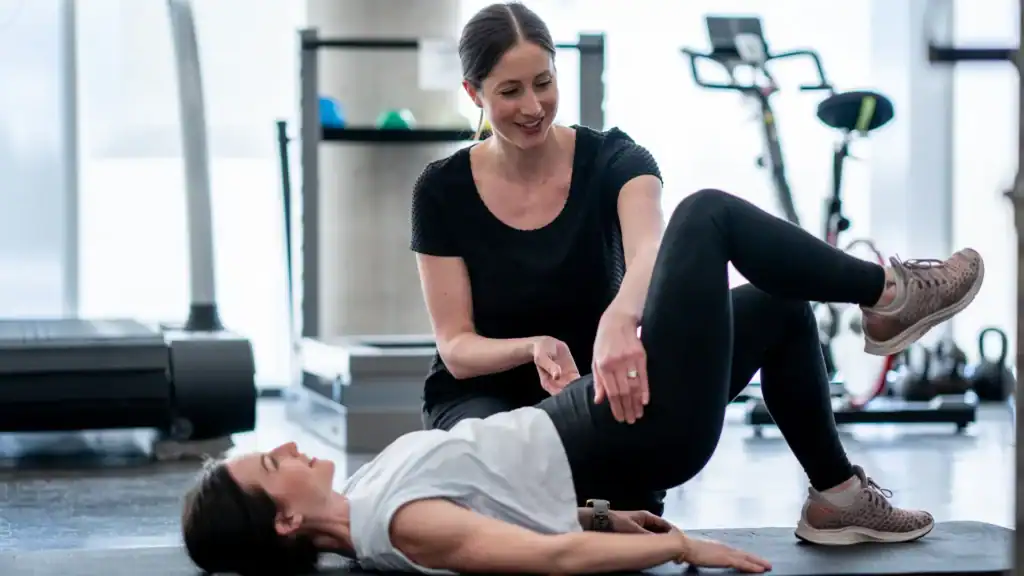
Tip: Avoid over-tightening, as this can lead to muscle tension instead of strength.
Pelvic tilts help activate both the pelvic floor and core muscles.
This exercise is especially helpful for women recovering after pregnancy.
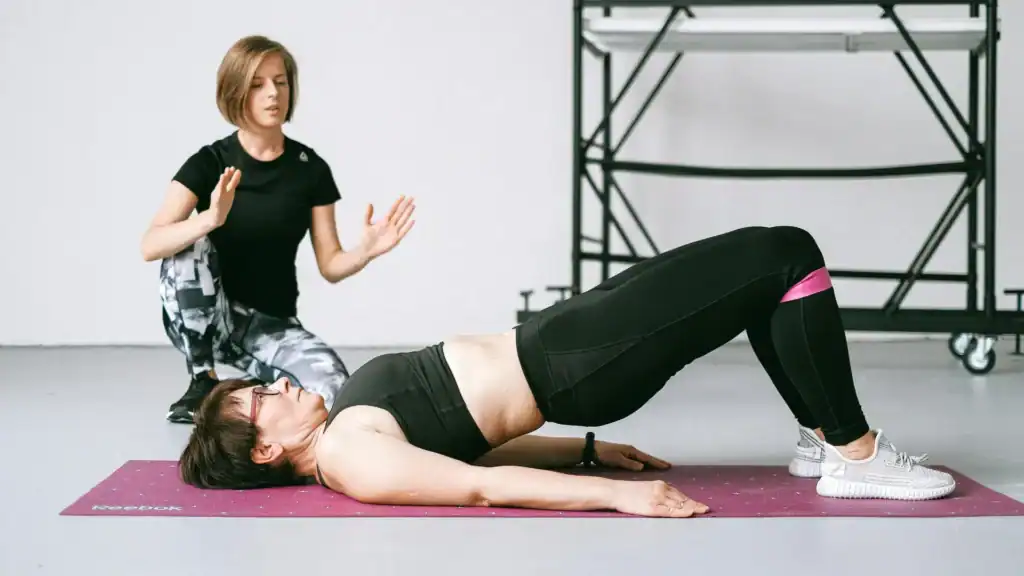
The bridge is excellent for strengthening the glutes and pelvic floor together.
This is one of the most effective pelvic pt exercises for improving stability.
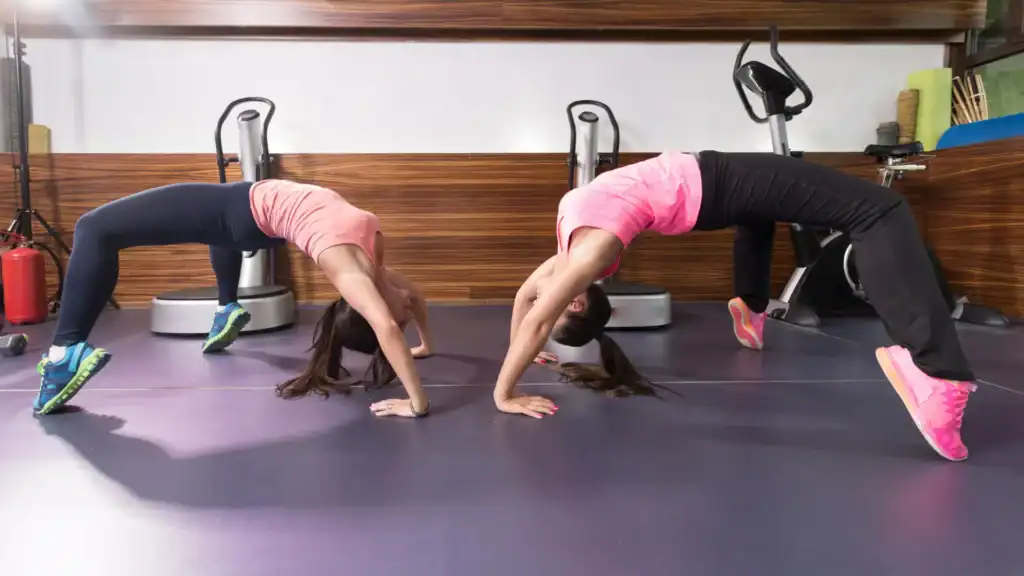
Not all pelvic floor issues are due to weakness—some are caused by tight muscles. Deep breathing helps relax the pelvic floor.
Combining breathing with movement improves overall muscle coordination.

For a broader set of guided routines, you can also explore these pelvic floor physical therapy exercises that work for both men and women.
Pelvic floor therapy is not a one-size-fits-all approach. It begins with a detailed assessment by a trained therapist who evaluates muscle strength, coordination, and tension.
Treatment may include:
If pelvic pain is a concern, targeted care can make a significant difference. Learn more about specialized treatment options through pelvic pain physical therapy designed to address underlying causes effectively.
Consistent pelvic floor therapy offers a wide range of benefits for women at different life stages:
For women navigating pregnancy or postpartum recovery, targeted care becomes even more important. You can explore expert support through pre and postnatal physical therapy to ensure a safe and effective recovery journey.
While exercises can help, professional guidance is often necessary when:
In some cases, pelvic floor therapy is also part of a broader rehabilitation plan. For example, patients recovering from procedures may benefit from post-surgical rehabilitation therapy to regain strength safely.
Yes, many pelvic floor exercises for women can be done at home. However, incorrect technique can lead to limited results or even worsen symptoms.
That’s why guided therapy is often recommended, especially if:
For postpartum recovery, following a structured routine is crucial. Here’s a helpful guide on postpartum pelvic floor exercises to get started safely.
Working with a trained physical therapist ensures that your treatment is tailored to your body’s specific needs. Professional pelvic floor therapy offers:
If you’re looking for expert care in your area, consider visiting a trusted clinic offering physical therapy in Chesterton for comprehensive support and guidance.
Pelvic floor therapy is used to treat conditions related to weak, tight, or imbalanced pelvic muscles. It helps with urinary incontinence, pelvic pain, postpartum recovery, and core weakness. This therapy focuses on improving muscle strength, coordination, and relaxation through targeted exercises and hands-on techniques.
Most people start noticing improvement within 4 to 6 weeks, depending on the severity of the condition and consistency with exercises. Complete recovery may take a few months, especially for postpartum or chronic pelvic issues. Regular sessions and proper guidance speed up results.
Yes, pelvic floor exercises are safe after pregnancy and are highly recommended for recovery. They help restore muscle strength, improve bladder control, and support healing. However, it’s best to start with gentle movements and consult a physical therapist for a personalized plan.
Yes, pelvic floor therapy is one of the most effective non-surgical treatments for urinary incontinence. Strengthening the pelvic floor muscles improves bladder control and reduces leakage during activities like coughing, sneezing, or exercising.
Pelvic floor exercises should typically be done daily for best results. A common routine includes 10–15 repetitions, 2–3 times per day. However, the exact frequency may vary based on your condition, so following a therapist’s guidance ensures better outcomes.
Pelvic floor therapy is a powerful, non-invasive solution for many women dealing with discomfort, weakness, or postpartum recovery challenges.
By combining the right pelvic floor muscle exercises with expert guidance, you can restore strength, improve control, and enhance your overall quality of life.
Ignoring symptoms can lead to long-term complications, but early intervention through proper pelvic therapy exercises can make a significant difference.
Struggling with pelvic discomfort, bladder control issues, or postpartum recovery? Book a consultation with our expert pelvic floor therapists today and start your journey toward strength, confidence, and lasting relief.
Neck & Shoulder Pain Relief – No Meds. No Surgery.
Get expert tips and simple exercises to feel better — naturally and safely.
🔒 We respect your privacy. No spam, ever. 🤝
✅ Backed by certified experts at Chesterton Physical Therapy
💡 Trusted by 1,000+ patients in Chesterton, Portage & Michigan City