Posted on Google![]()
George RoneTrustindex verifies that the original source of the review is Google.
I received great care for my shoulder here. The staff was extremely kind and welcoming!Posted on Google![]()
Lena ChachankoTrustindex verifies that the original source of the review is Google.
Dr. Maribel and Jordan were great at explaining and making me comfortable. The laser was great and helped me relax. It is a good environment, Iβd definitely recommend this place!Posted on Google![]()
Devin SainTrustindex verifies that the original source of the review is Google.
Dr. Maribel she did a wonderful job working on me my first day coming here my pain dropped a lot getting helped from her. I was at 8 pain level and it dropped to a 2 she did some needle work on my lower back Area it felt really good So I recommend it if you have lower back pain and also she used tape on my lower back it feels really good. Overall I highly recommended her Dr. Maribel 10 out of 10 my first day coming in I felt really comfortable getting helped here in this areaPosted on Google![]()
Ann HollenbergerTrustindex verifies that the original source of the review is Google.
I have been coming to physical therapy since June. Dr. Maribel is wonderful, caring & has helped me a lot with my pelvic therapy. Jordan is the best! Sheβs very personable, kind , and always smiling! Love them. β€οΈβ€οΈPosted on Google![]()
John ReillyTrustindex verifies that the original source of the review is Google.
I'm about six weeks post major surgery for a condition called Neurogenic Thoracic Outlet Syndrome. It's basically nerve crush due to whip-lash, repetitive stress etc. I'm feeling very lucky that I have Dr. Maribel and Chesterton Physical Therapy helping me with my recovery. Mine is a long road back and their team has been helping me every step of the way. E-stim, laser, ultrasound, heat/ice, and dry-needling have all been used to help my muscles calm down and respond to treatment. The exercises they've implemented for me thus far are creative and perfectly matched to where I am in my recovery. The team is incredible - Alex, Adam, Neal, Jordan, Lucy, Sir John etc. - everyone is friendly, caring and genuinely wants to help you. Dr. Maribel oversees it all and designs customized treatment plans to get you where you need to go. She runs a tight ship and has hired a great staff. I have many sessions more to go and look forward to each one. Highly recommend!Posted on Google![]()
Peggy ArnettTrustindex verifies that the original source of the review is Google.
Jacob, Dr Maribel, Adam is really outstanding. They will push you to work harder. Highly recommend CPT!!!Posted on Google![]()
Lexi PedeTrustindex verifies that the original source of the review is Google.
Dr. Maribel and Jordan are fantastic :) thank you so much for your help!Posted on Google![]()
Desirae ThompsonTrustindex verifies that the original source of the review is Google.
All of the staff is very welcoming, they are like a big family and care for both the staff and patients. I see Dr. Maribel, she really tries to pinpoint what you need help with by asking many questions, which if youβre very anxious like me and donβt know how to talk to people helps tremendously.Posted on Google![]()
Jackie GonzalezTrustindex verifies that the original source of the review is Google.
All personal very friendly and professional, a great place for physical therapy, Dr Maribel Bacalan very nice, and tech Miss Jordan very helpful and friendly and john friendlyPosted on Google![]()
Rafael MoraTrustindex verifies that the original source of the review is Google.
My experience with Dr. Neil and the whole team was great. Everyone I met was very friendly and supportive! Overall great experience and helped alleviate my pain tremendously!Verified by TrustindexTrustindex verified badge is the Universal Symbol of Trust. Only the greatest companies can get the verified badge who has a review score above 4.5, based on customer reviews over the past 12 months. Read more
Pelvic floor physical therapy exercises are crucial for both men and women, yet pelvic floor health often goes unnoticed until problems arise. The pelvic floor is a group of muscles that support the organs in the pelvis, including the bladder, bowel, and uterus (in women).
These muscles play a vital role in controlling bladder and bowel functions, maintaining reproductive health, and providing stability for your core. Unfortunately, pelvic floor dysfunction can lead to issues such as incontinence, pelvic pain, and even pelvic floor spasms.
Fortunately, pelvic floor physical therapy exercises can help restore strength, flexibility, and control to this important group of muscles.
It is crucial for daily urination, bowel movements, and reproductive health. Unfortunately, many peopleβboth men and womenβexperience pelvic floor dysfunction at some point in their lives.
Conditions such as incontinence, chronic pelvic pain, and pelvic floor spasms can be signs that the pelvic muscles are too weak, too tight, or not working properly. This is where pelvic floor physical therapy exercises come in.
Strengthening and relaxing the pelvic floor can help alleviate discomfort and improve overall quality of life. This article will explore the most effective physical therapy exercises for pelvic floor health, focusing on exercises for both men and women.
Before talking about specific exercises, itβs important to understand what the pelvic floor is and how it functions. The pelvic floor is a hammock-like structure of muscles, ligaments, and connective tissues that stretch from the pubic bone at the front of the pelvis to the tailbone at the back.
These muscles support the organs in the pelvis, such as the bladder, rectum, and, for women, the uterus. The pelvic floor helps control the release of urine, feces, and gas and also plays a role in Reproductive function. When these muscles become weakened or overactive, various issues can arise, including pelvic pain, urinary leakage, or difficulty emptying the bladder.
Fortunately, pelvic floor physical therapy exercises can help to retrain and strengthen these muscles, ensuring proper function and improving pelvic health.
For those experiencing pelvic floor dysfunction, various exercises can help restore muscle strength and balance. The following exercises are simple, effective, and can be done by anyone at home. However, always consult a physical therapist to ensure these exercises are appropriate for your condition.
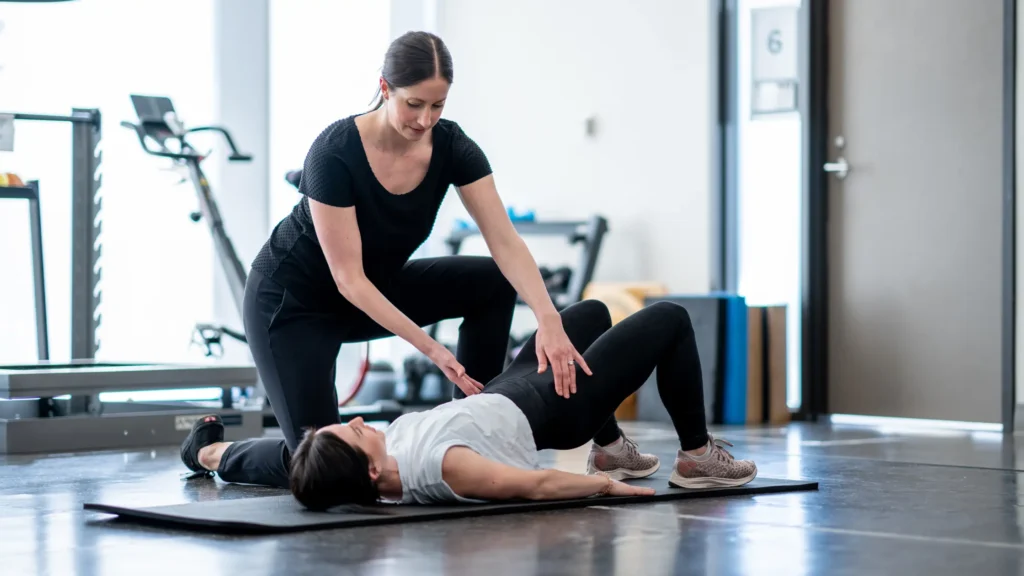
Kegel exercises are the most popular exercises for strengthening the pelvic floor. They help to strengthen the pelvic floor muscles by contracting and relaxing them in a controlled manner. Here’s how to do them:
Kegels are beneficial for both men and women, helping with incontinence, prolapse, and pelvic floor weakness.
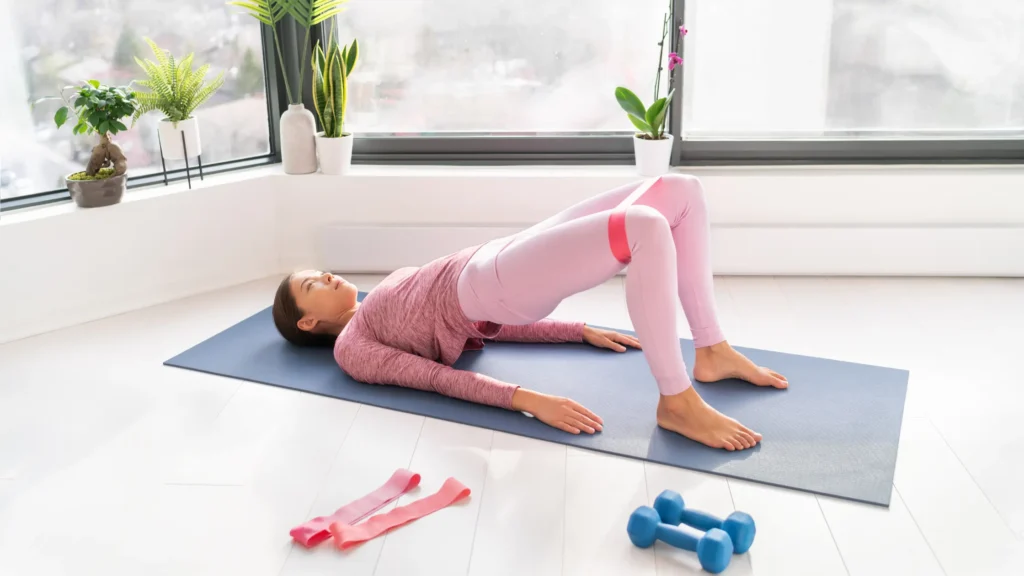
The bridge exercise works the glutes, hamstrings, and pelvic floor muscles. Here’s how to do them:
Bridges help strengthen the pelvic floor while engaging the lower body muscles.

Squats are excellent for building strength in the pelvic floor as well as the lower body. Here’s how to do them:
Squats strengthen the pelvic floor and lower body, improve balance, enhance stability, and support overall functional movement.
While pelvic floor issues are often associated with women, men also benefit from male pelvic floor physical therapy exercises. Men can experience pelvic pain, urinary incontinence, and erectile dysfunction as a result of pelvic floor dysfunction. Here are some exercises tailored for menβs pelvic health.

Pelvic tilts are an effective way for men to engage and strengthen their pelvic floor muscles Here’s how to do them:
Pelvic tilts not only help improve pelvic floor strength but also reduce lower back pain.
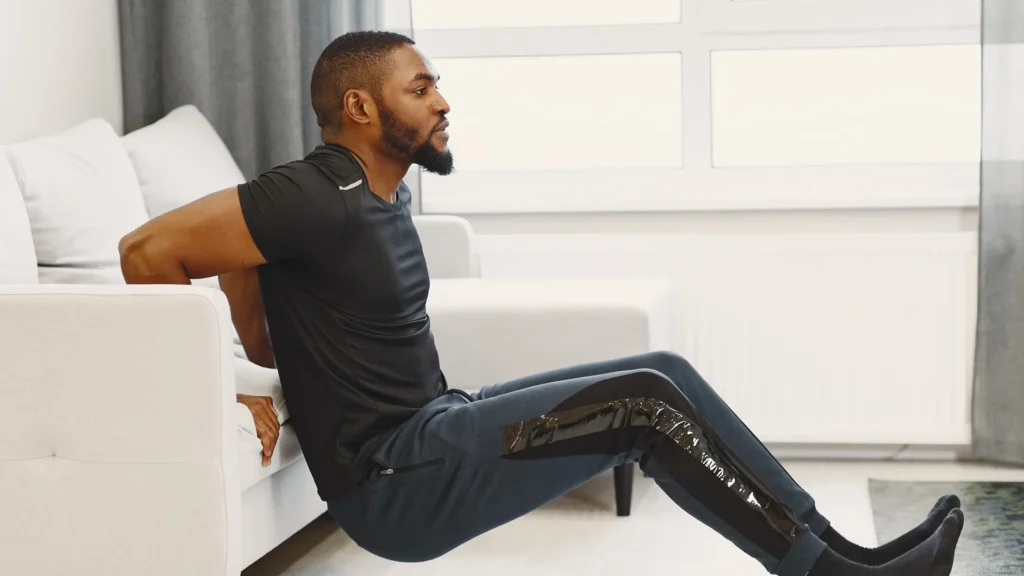
Reverse Kegels are designed to relax the pelvic floor muscles, which is essential for men experiencing tension or pelvic floor spasms. Here’s how to do them:
This exercise helps release tension in overactive pelvic floor muscles.
A tight or overactive pelvic floor can contribute to pelvic discomfort, urinary symptoms, pain during sexual activity, or difficulty fully relaxing the pelvic muscles. Learning how to relax the pelvic floor muscles in men can help reduce unnecessary muscle tension and improve pelvic floor function.
Here are some gentle techniques that may help loosen tight pelvic floor muscles:
1. Practice Diaphragmatic Breathing
Lie comfortably on your back with your knees bent. Place one hand on your chest and the other on your abdomen. Slowly breathe in through your nose and allow your abdomen to expand. As you exhale, let your abdomen gently fall and consciously relax the muscles around your pelvis. Continue for 5β10 slow breaths.
2. Try a Gentle Reverse Kegel
Unlike a traditional Kegel, which contracts the pelvic floor, a reverse Kegel focuses on gently releasing and lengthening these muscles. As you inhale, imagine the muscles between your sit bones and around the pelvic floor gently dropping or relaxing. Do not force the movement or bear down.
3. Use Gentle Stretching
Gentle stretches involving the hips, lower back, inner thighs, and glutes may help reduce tension around the pelvic region. Positions such as a supported child’s pose or a comfortable deep squat may be useful when performed without pain or excessive strain.
4. Avoid Constantly Tensing the Pelvic Floor
Some men unknowingly keep their pelvic floor muscles contracted throughout the day, particularly when sitting, exercising, or dealing with stress. Try to notice unnecessary clenching and consciously allow the pelvic muscles to relax while maintaining comfortable breathing.
If you have persistent pelvic pain, urinary problems, pain with sexual activity, or difficulty relaxing your pelvic floor, a pelvic floor physical therapist can evaluate the underlying cause and develop an individualized treatment plan. Avoid repeatedly performing strengthening exercises such as Kegels if your pelvic floor is already tight unless they have been recommended by a qualified healthcare professional.
Tight or spasming pelvic floor muscles can be just as problematic as weak ones. Learning how to relax pelvic floor muscles is essential for people experiencing pain, discomfort, or pelvic floor spasms. Here are some relaxation techniques that can ease pelvic floor tension.
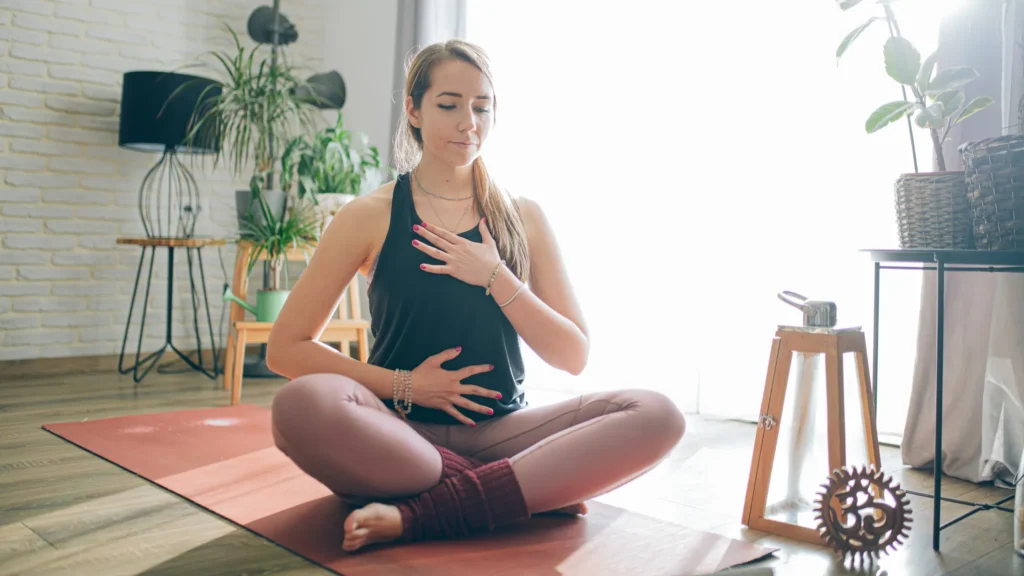
Deep breathing helps relax the pelvic floor muscles by promoting full-body relaxation:
Diaphragmatic breathing reduces stress and tension, which can lead to improved pelvic floor function.
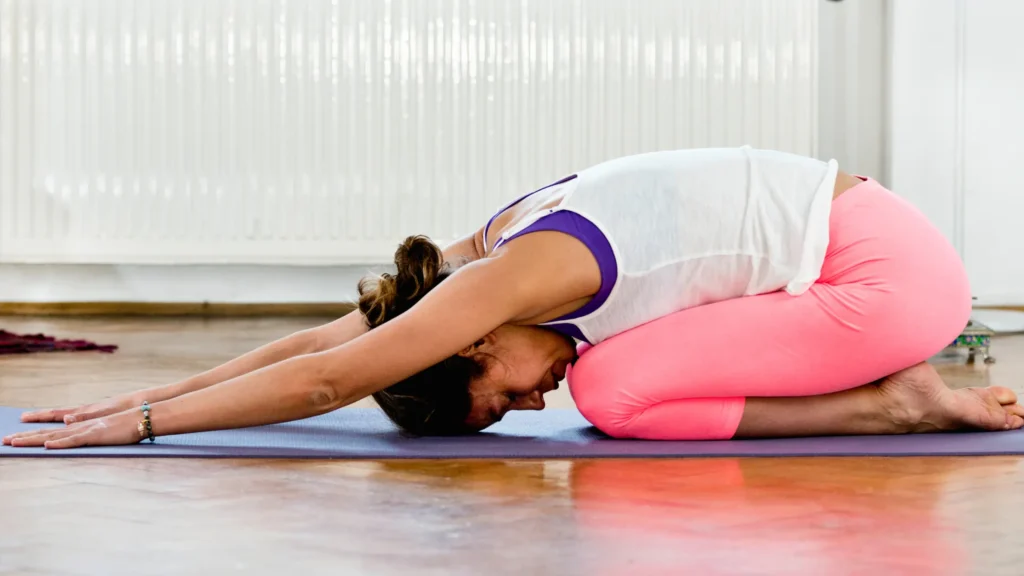
This exercise is excellent for releasing tension in the pelvic region:
This stretch can help alleviate pelvic floor spasms and ease muscle tightness.

Pelvic floor spasms occur when the muscles of the pelvic floor contract involuntarily, causing pain and discomfort. These spasms can result from overuse, stress, or certain medical conditions.
Physical therapy exercises can be highly effective in managing spasms. Techniques such as reverse Kegels, diaphragmatic breathing, and gentle stretching can provide relief and help restore balance in the pelvic region.
The term pelvic floor gardens is a metaphorical way of thinking about pelvic health. Just like a garden, the pelvic floor requires regular care and attention to thrive.
By maintaining a balanced approach to strengthening and relaxation, you can cultivate a healthy pelvic floor that functions optimally.
Practicing the exercises mentioned in this article regularly will help you nurture your pelvic floor garden for better overall health.
At Chesterton Physical Therapy, our specialists focus on helping patients regain control over their pelvic health through personalized therapy programs. Whether youβre dealing with pelvic pain, incontinence, or pelvic floor spasms, Chesterton Physical Therapy offers expert care and proven techniques to strengthen and relax your pelvic floor muscles.
We offer specialized treatment plans tailored to the needs of both men and women, with a focus on pelvic floor physical therapy exercises that are safe, effective, and customized for each individual’s condition.
Pelvic floor therapy is a specialized physical therapy addressing pelvic muscles and tissues, treating dysfunctions like incontinence and pelvic pain through exercises, education, and manual techniques.
Pelvic floor physical therapy works by strengthening, relaxing, and retraining the muscles of the pelvic floor to improve function and alleviate pain.
Yes, it is effective for reducing pain, and inflammation, and promoting healing by stimulating cellular repair in injured tissues using light energy.
You should consider consulting a pelvic floor therapist if you experience symptoms such as persistent pelvic pain, urinary or bowel incontinence, pelvic pressure, pain during intercourse, or lower back pain linked to pelvic floor issues.
The health of your pelvic floor plays a significant role in your overall well-being. Whether youβre experiencing weakness, tightness, or discomfort, incorporating pelvic floor physical therapy exercises into your routine can improve your pelvic health.
Exercises such as Kegels, bridges, and squats strengthen the muscles, while diaphragmatic breathing and stretching can help you relax them.
If you’re unsure where to begin or need specialized guidance, Chesterton Physical Therapy can help you develop an effective therapy program to suit your specific needs. Donβt let pelvic floor dysfunction disrupt your lifeβstart your journey toward better pelvic health today.
Neck & Shoulder Pain Relief β No Meds. No Surgery.
Get expert tips and simple exercises to feel better β naturally and safely.
π We respect your privacy. No spam, ever. π€
β Backed by certified experts at Chesterton Physical Therapy
π‘ Trusted by 1,000+ patients in Chesterton, Portage & Michigan City